
Project to curb floods celebrated
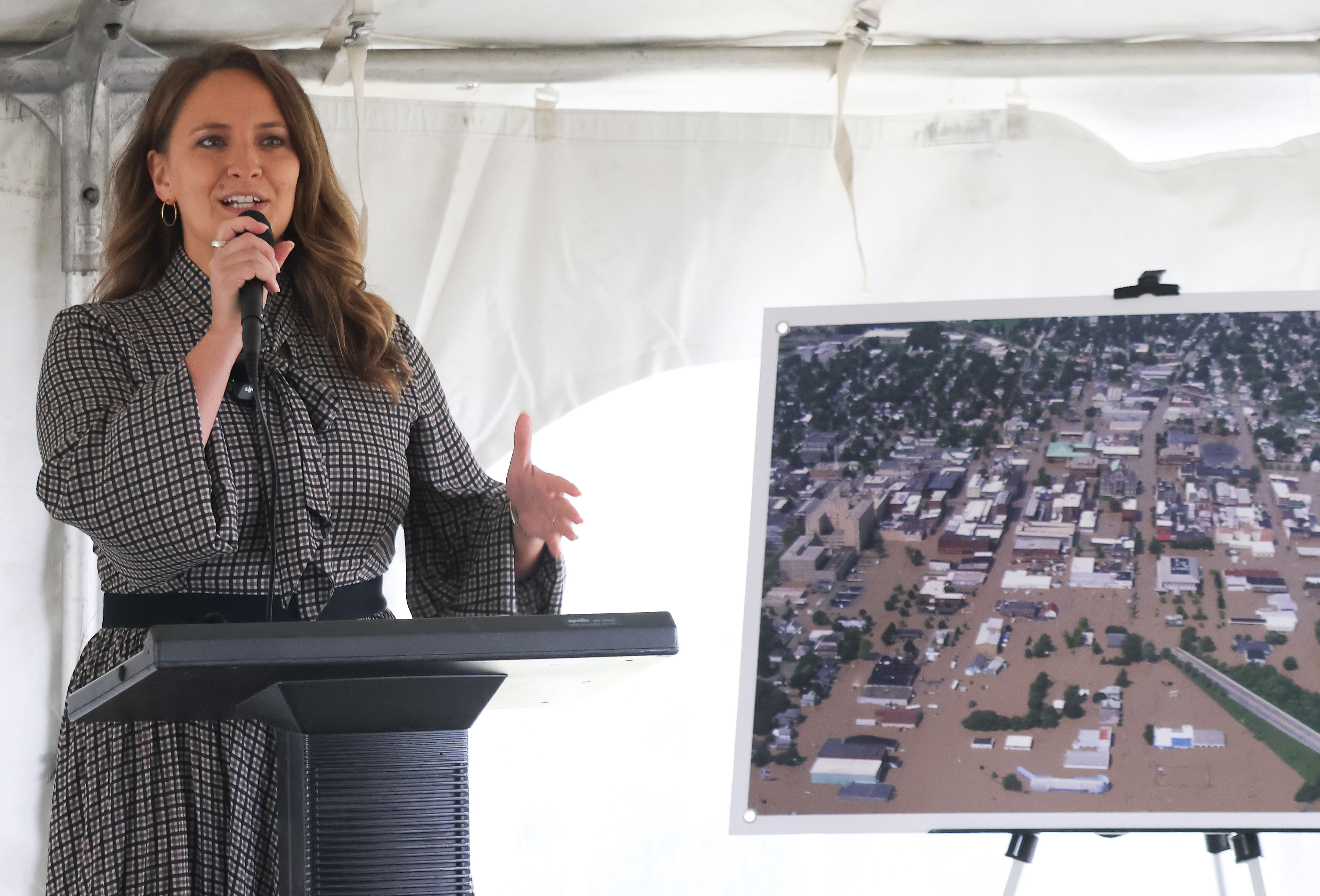
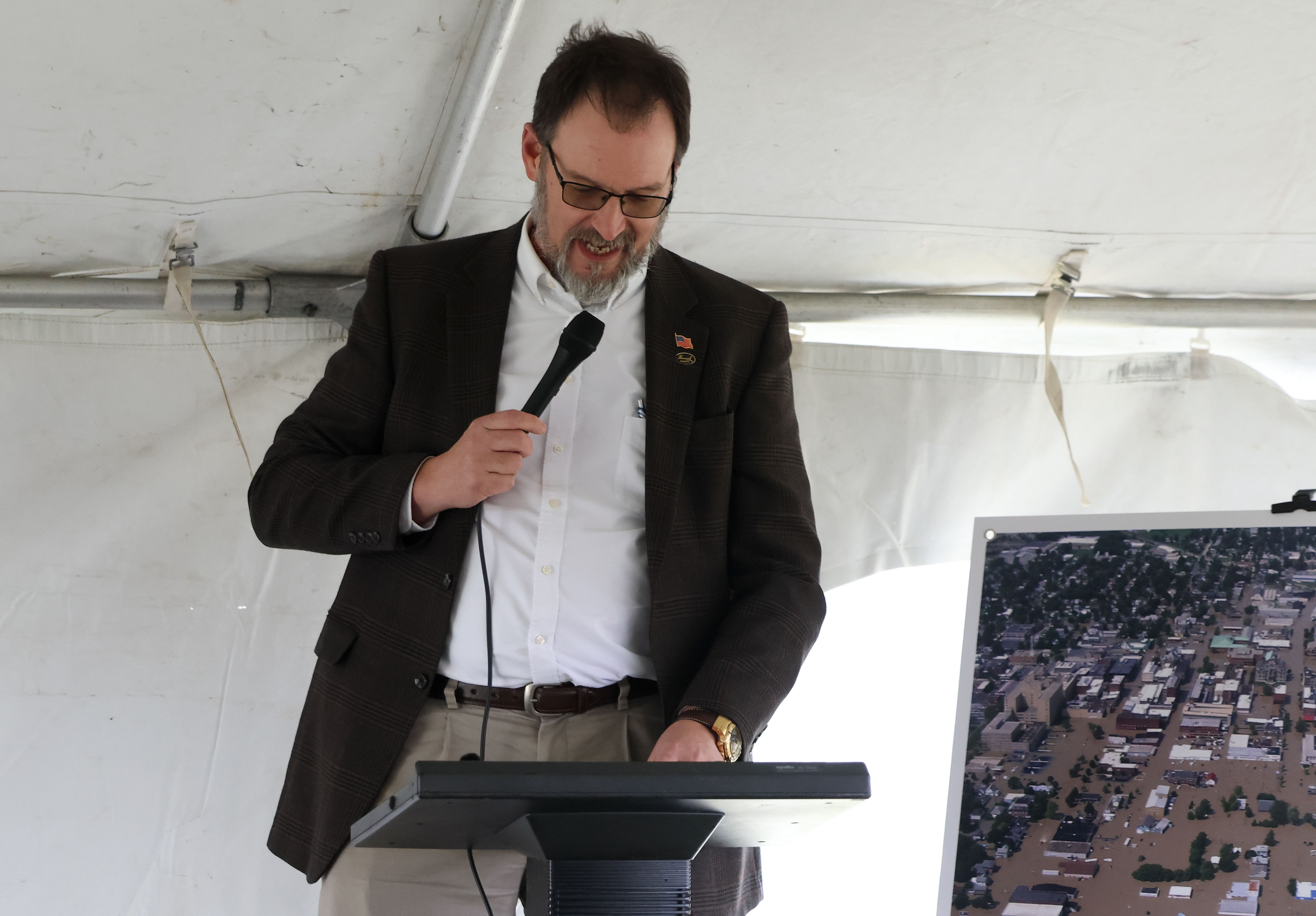
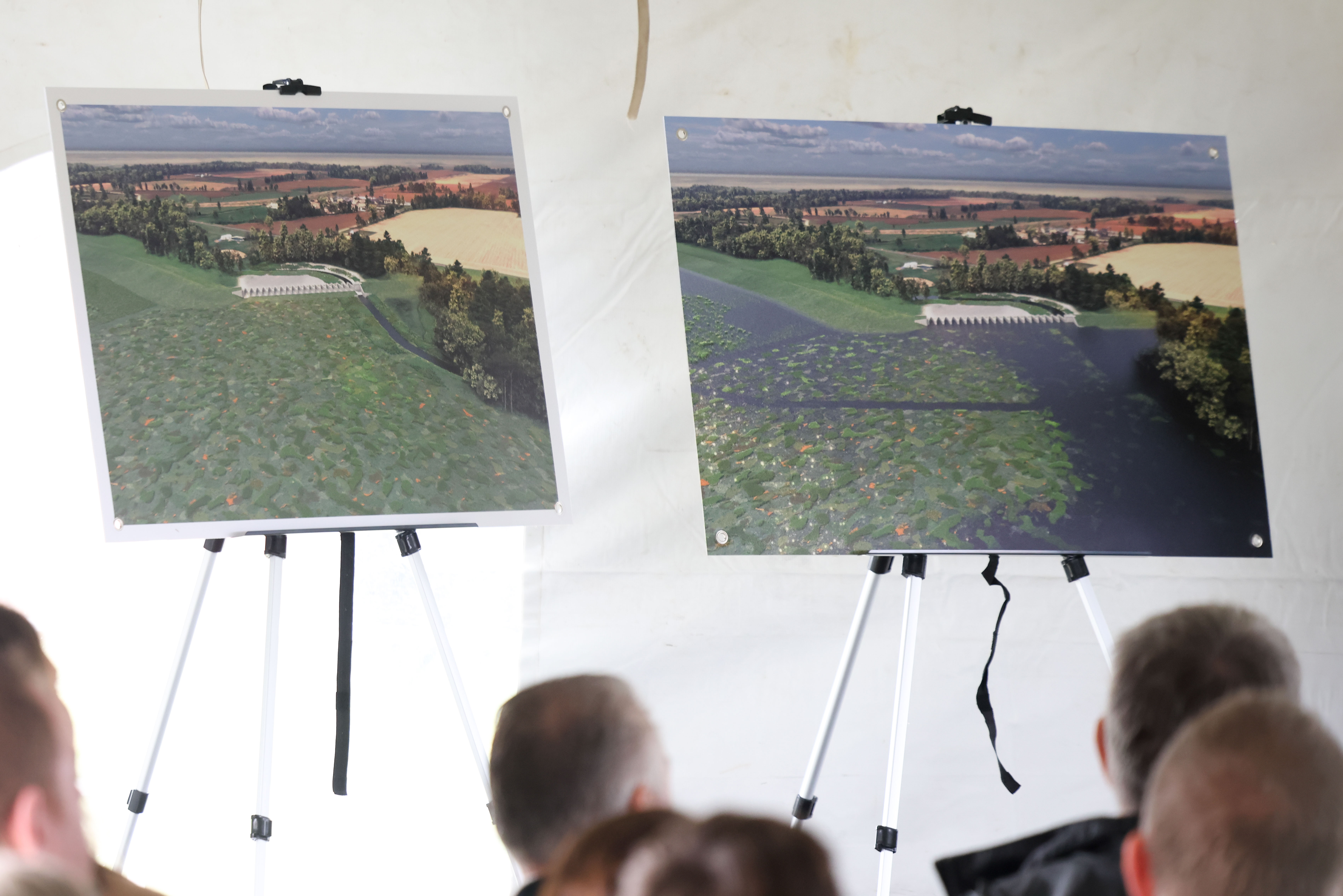
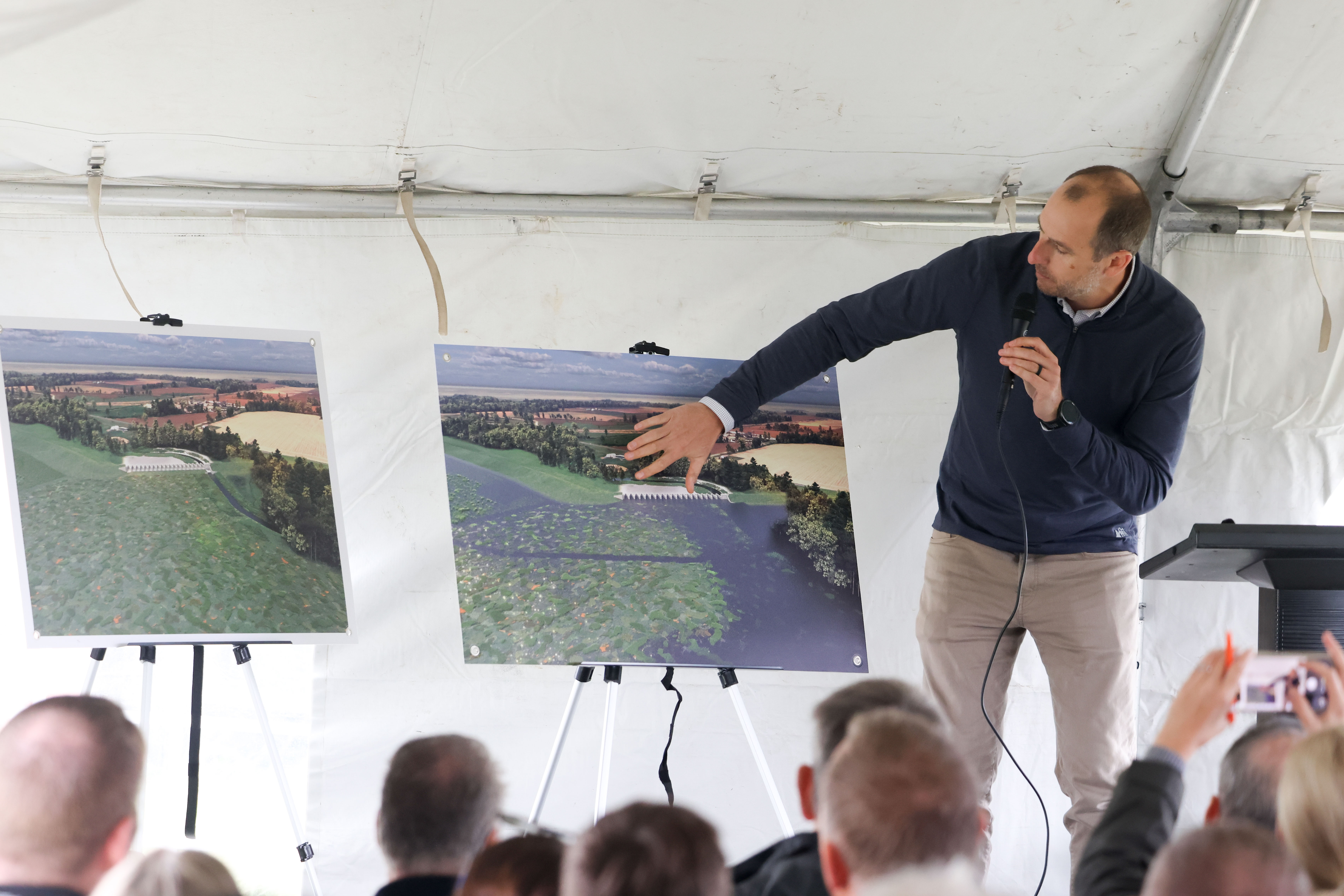
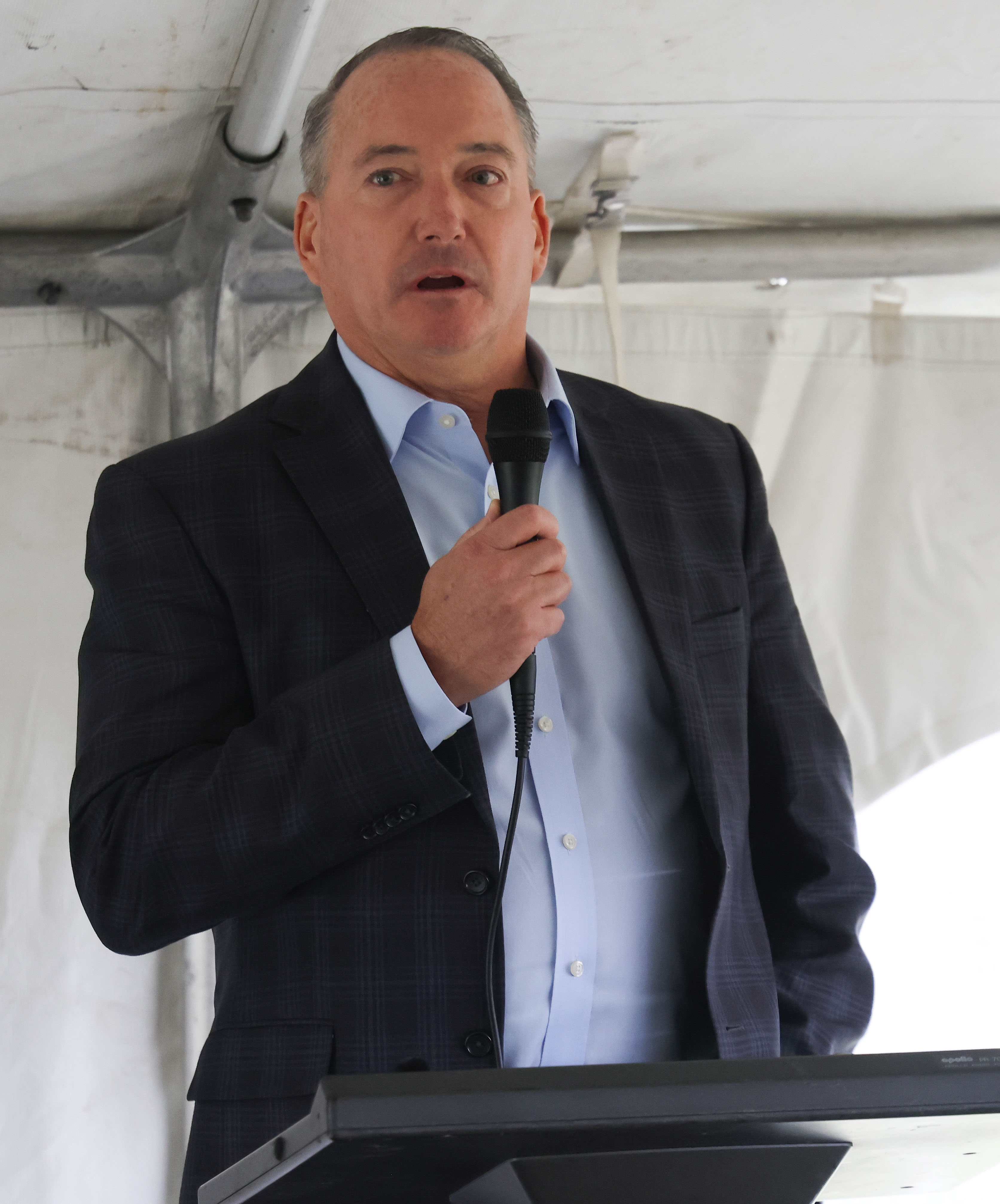
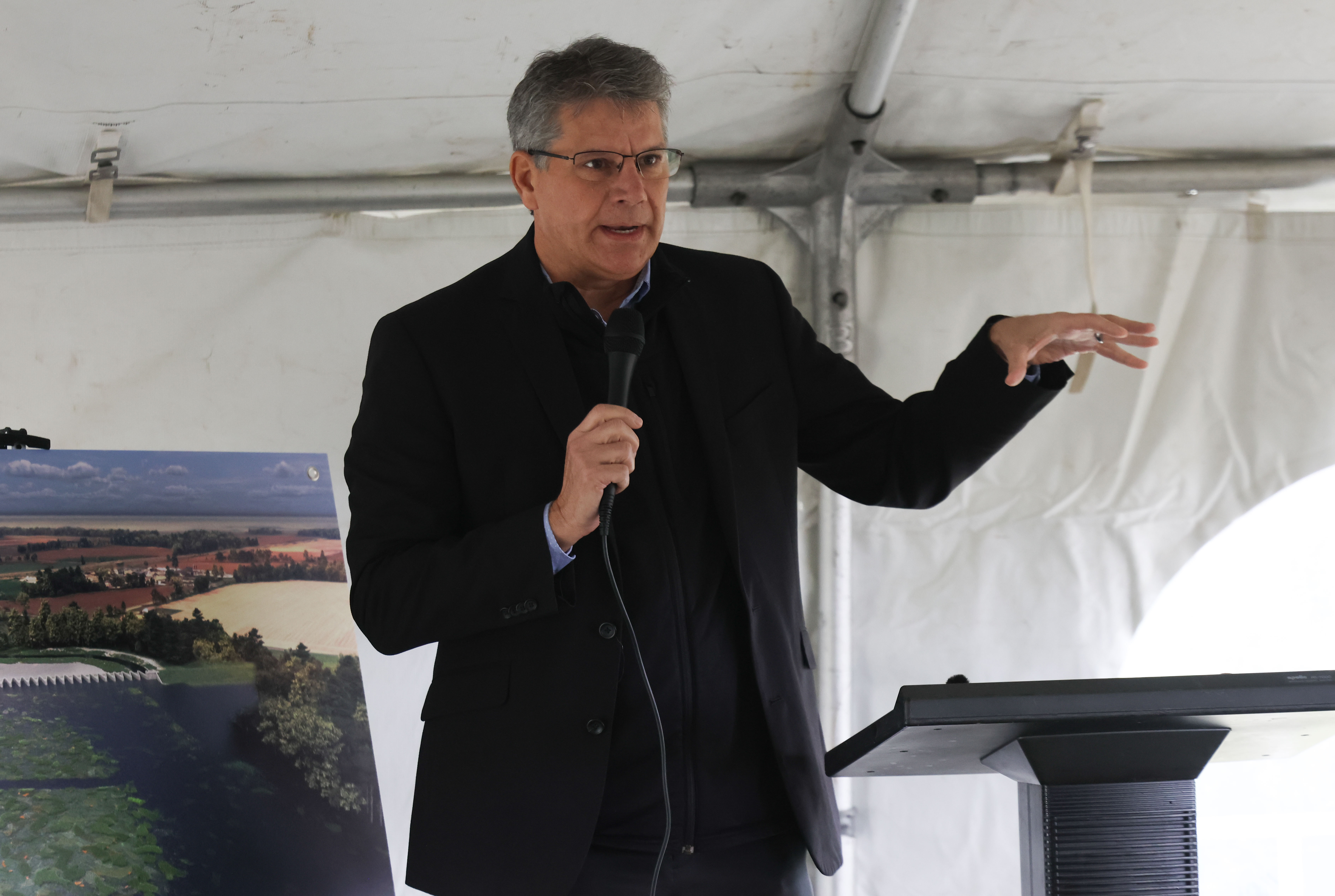
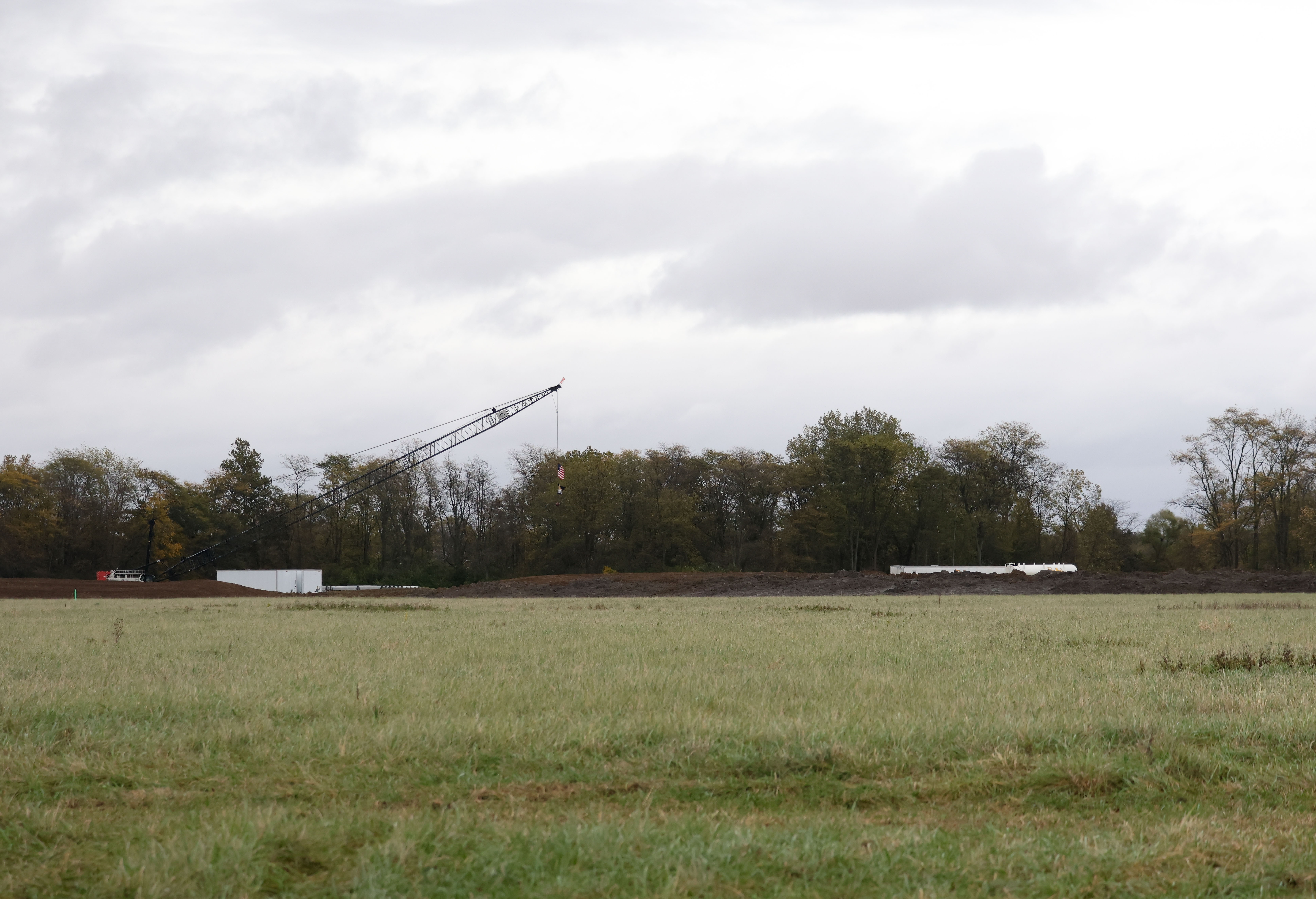
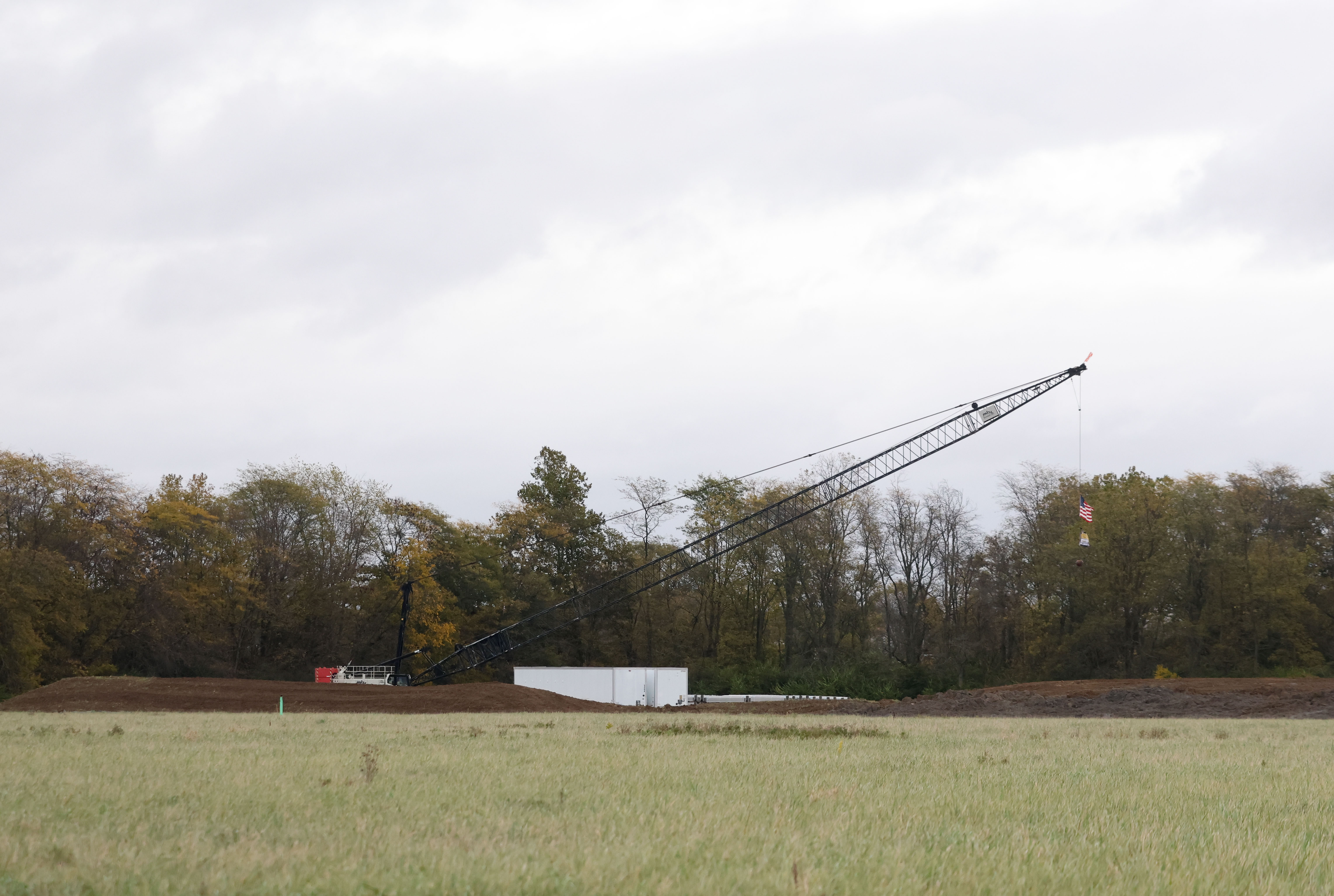
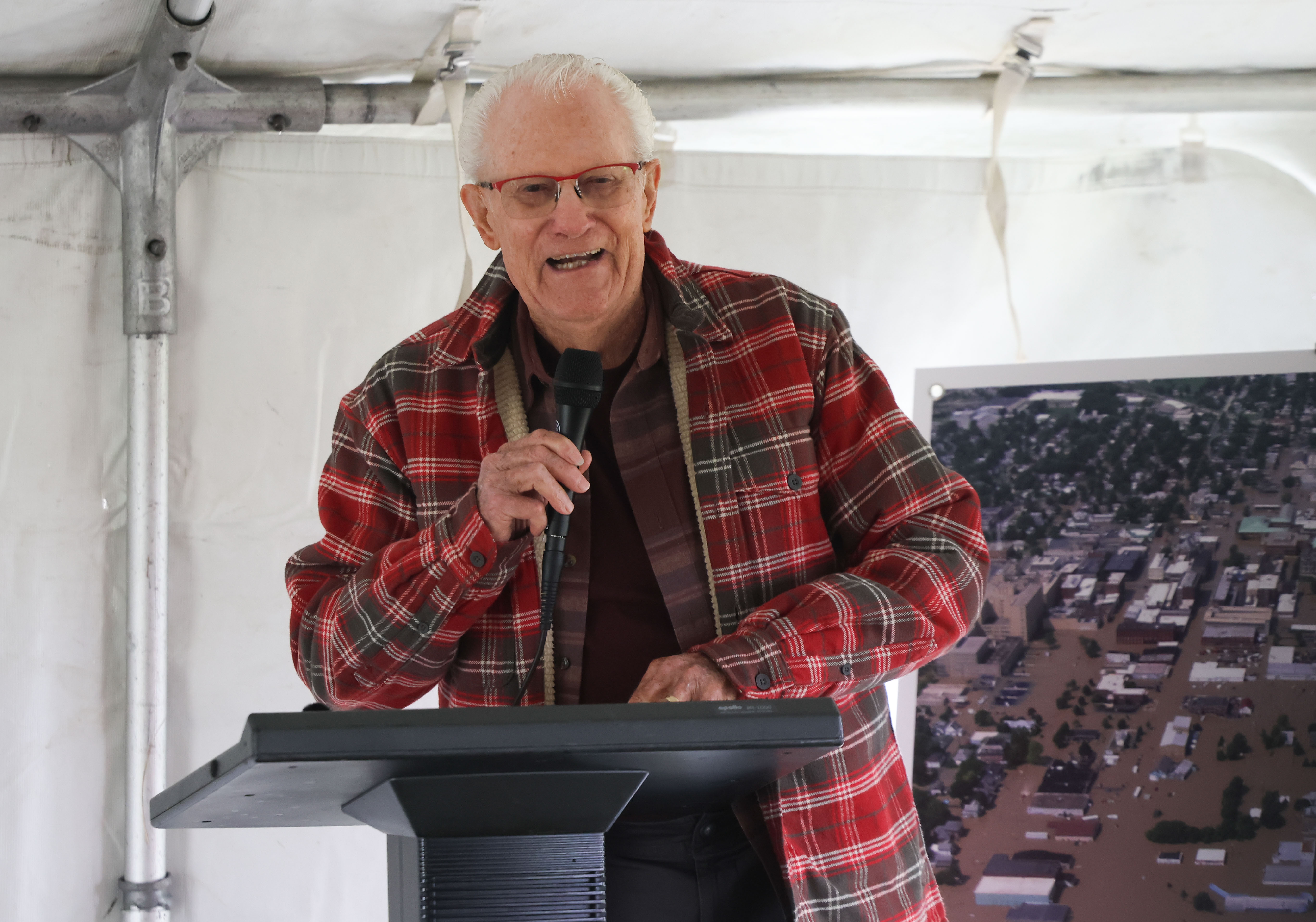
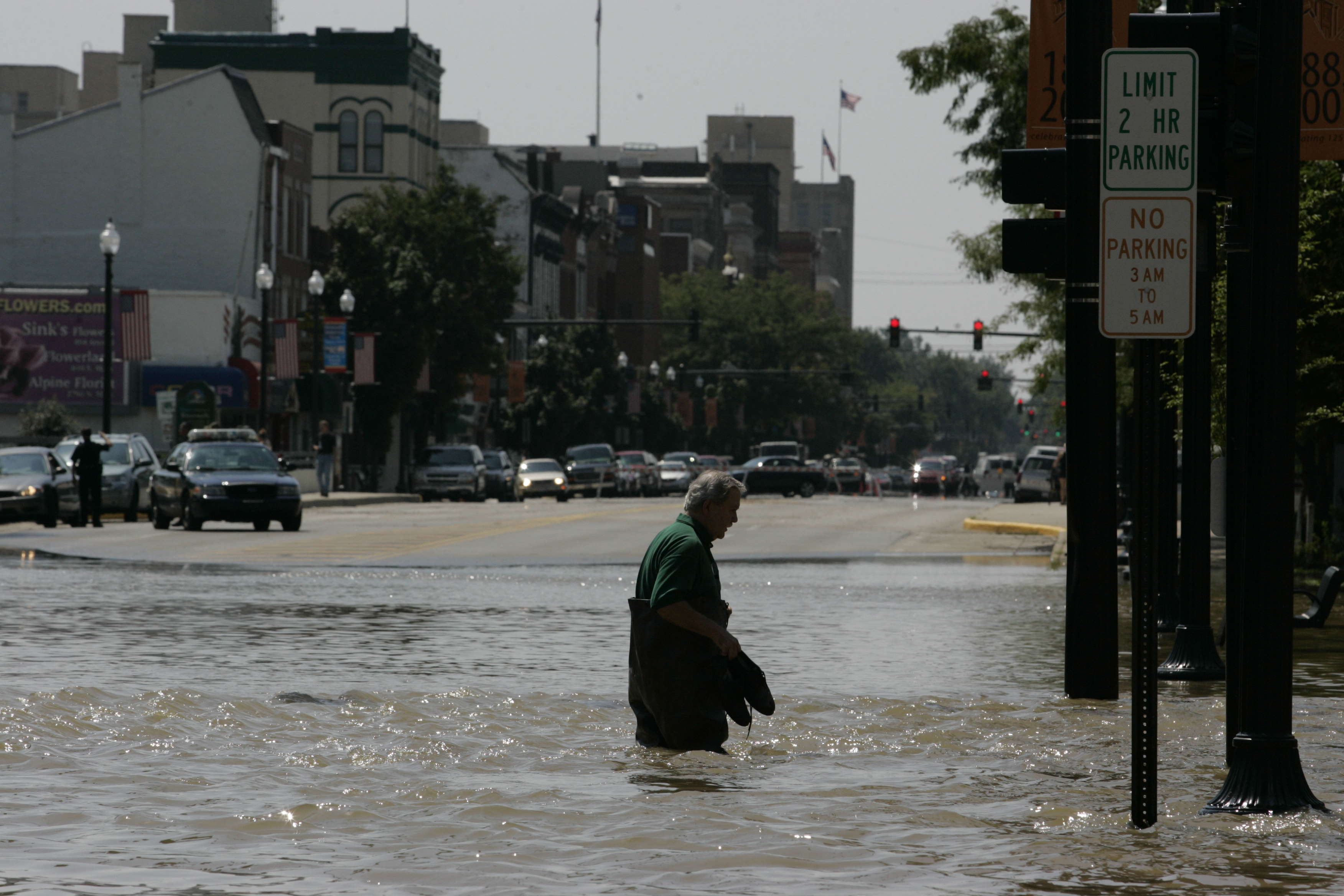
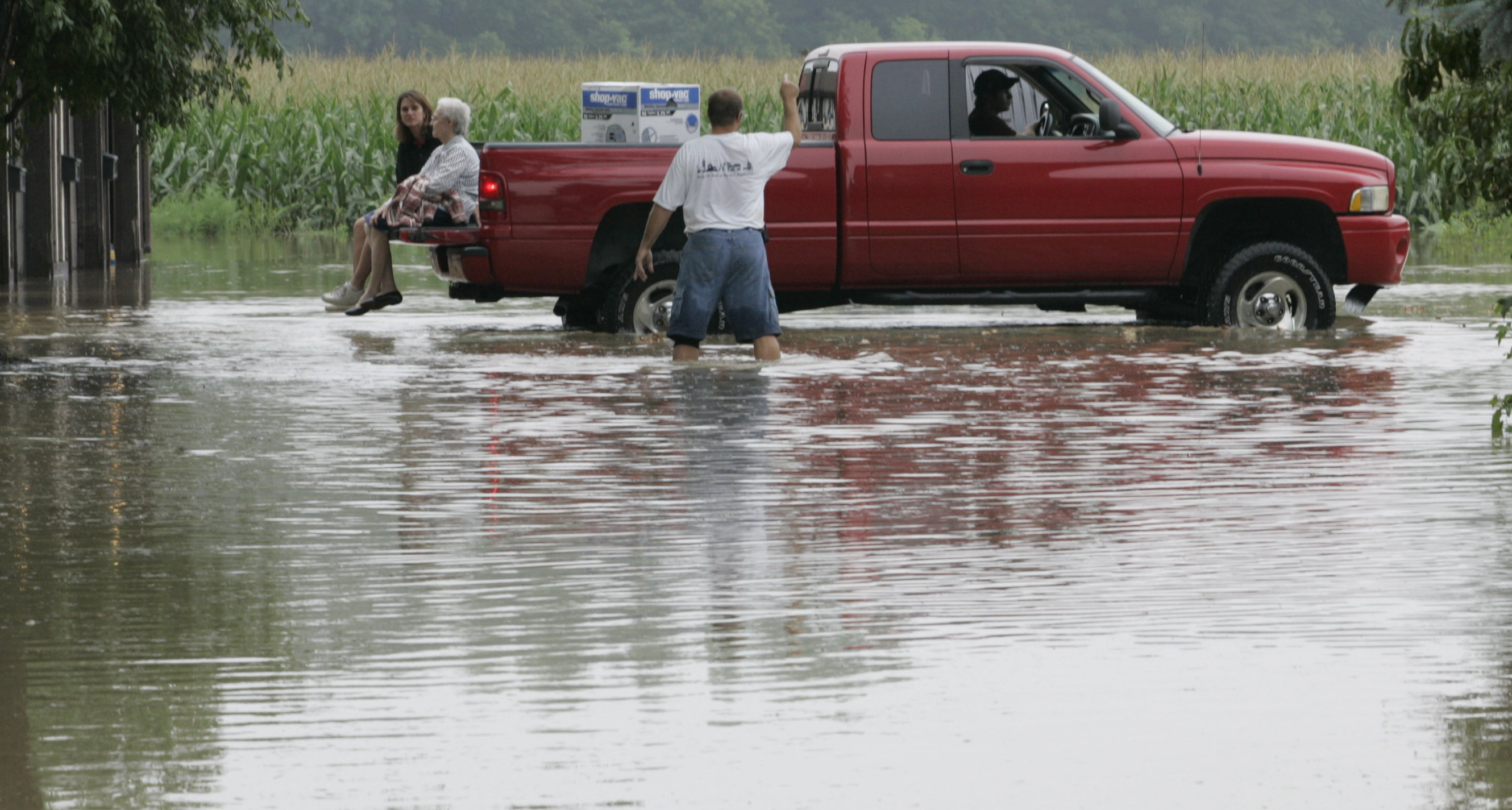
FINDLAY — About 100 people gathered at the site of the future Eagle Creek Storage Basin in rural Hancock County to celebrate the beginning of a project they hope will make downtown flooding in Findlay a thing of the past.
The $138.5 million project, which includes complementary improvements to downtown Findlay’s water infrastructure, will take two years to complete.
Speakers said the suite of work, once completed, will provide a slew of economic benefits, including reduced costs for flood insurance.
It also will relieve anxiety many Findlay-area residents have experienced for years every time there’s a major thunderstorm, not knowing if the Blanchard River will overflow again, they said.
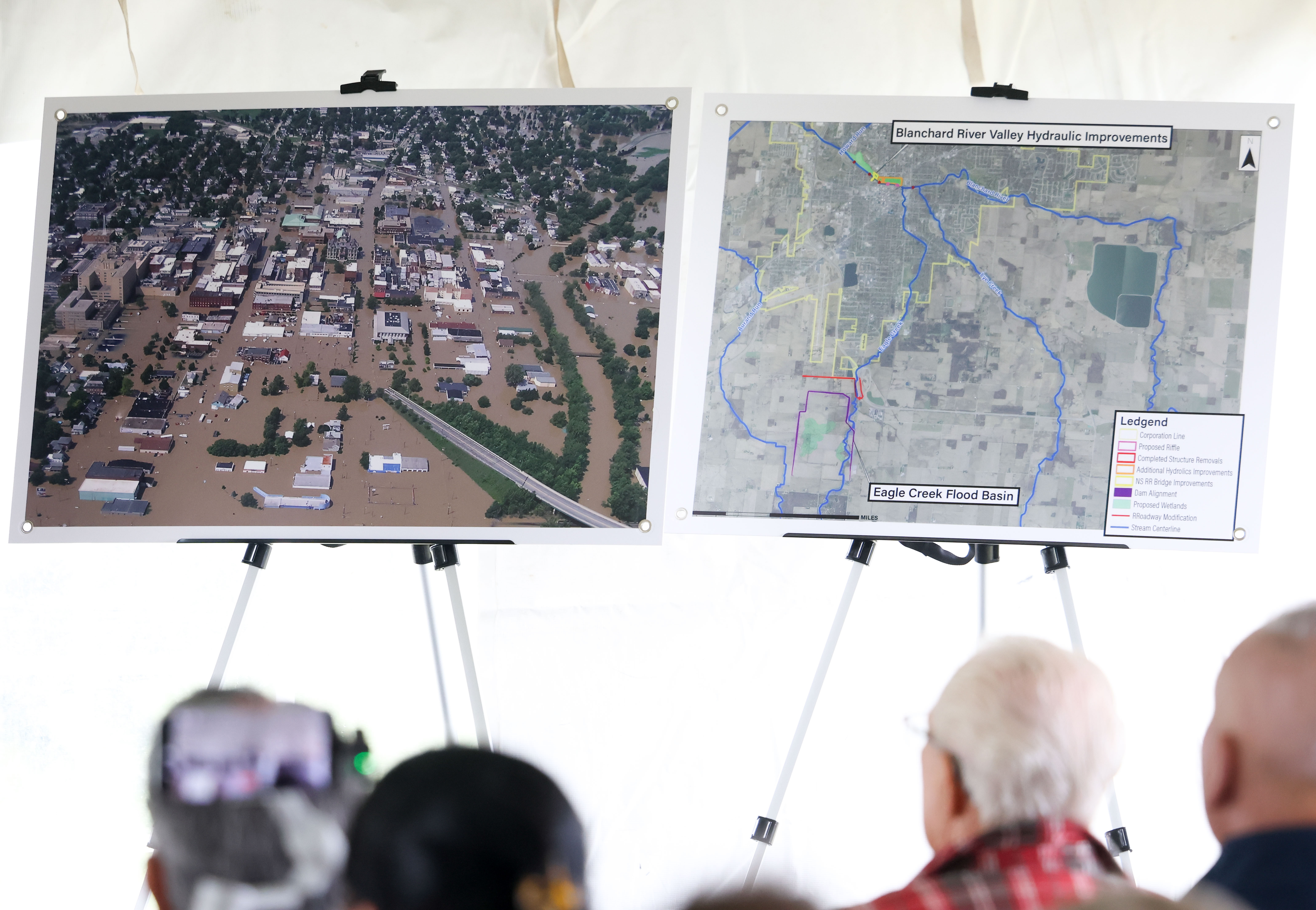
Many of those attending Friday’s invitation-only event recall the biggest motivating factor behind the project, the 2007 flood that cut off many parts of Findlay when the Blanchard River overflowed again.
Flooding has been a common occurrence in the Findlay area for more than 100 years, but that 2007 event was a game changer.
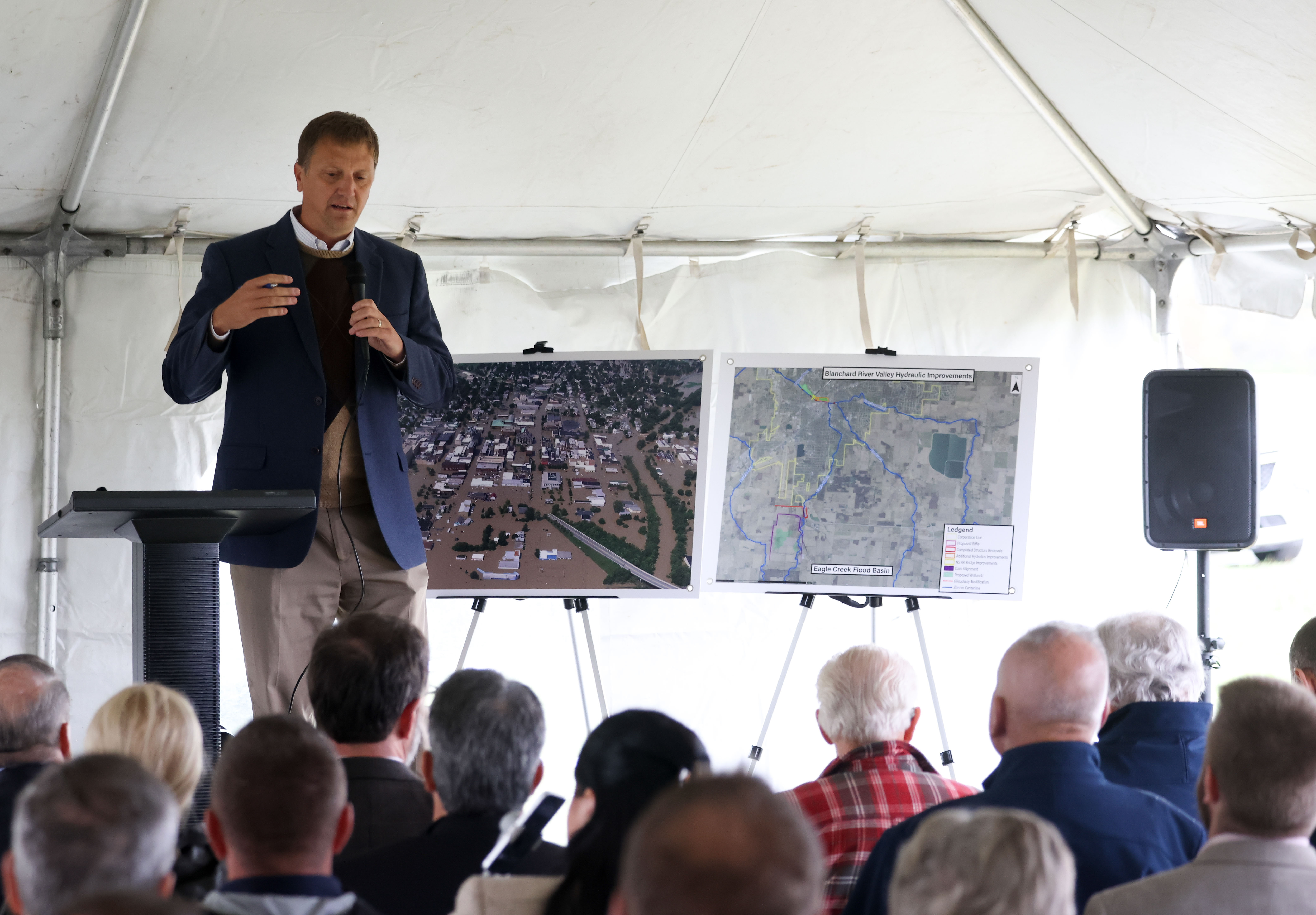
Tim Mayle, emcee for the groundbreaking ceremony, opened with an anecdote of how he had canoes in his drive when the 2007 flood occurred because the water was so high that roads were impassable for days.
“We got trapped in our houses,” Findlay Mayor Christina Muryn agreed.
The Eagle Creek Storage Basin will be built on 800 acres four miles south of downtown Findlay in Hancock County’s Eagle Township. The basin will have the capacity of holding up to 30 feet of water at a time for days.
The project is no guarantee Findlay will never flood again. But a repeat of 2007 is highly unlikely, even if there’s an unusually heavy storm.
If another 100-year flood occurs, such as the one in 2007, flooding in the downtown area would be three feet lower because of how much water will be diverted into the basin, said Mr. Mayle, senior manager of the Gilbane Building Co. and a member of the Blanchard River Watershed Solutions board.
Hancock County Common Pleas Judge Jonathan Starn, a member of the Maumee Watershed Conservancy, called the 2007 flood “a defining, heartbreaking moment,” and agreed Friday’s groundbreaking “should signify the end of anxieties” over frequent flooding.
Mike Mallet, a downtown Findlay investor, said the city’s central business district never fully recovered from the 2007 flood, when many downtown businesses left.
“People still don’t want to invest in downtown because of that flood,” Mr. Mallet said.
He said he believes the flood-mitigation project will help turn around that perception.
Hancock County Commissioner Bill Bateston said the project is now getting done because of the “patience and diligence” dozens of public officials, engineers, contractors, and others have had in sticking with it.
“It took 20 years of diligence to get this done,” he said.
Those cut off from their workplaces in 2007 included executives who work at national headquarters of Marathon Petroleum Corp. in downtown Findlay.
The company has been based there for nearly 140 years.
“We want to be here another 140 years, and this project will help us do that,” said Dave Heppner, Marathon chief strategy officer and senior vice president.
Blanchard Valley Health System President and CEO Myron Lewis said the flood-mitigation project will save lives.
Many people during the 2007 flood had no access to the health system’s emergency room and had to look elsewhere for life-saving procedures, he said.
“Not only is it an investment in jobs, not only is it an investment in the economy, but it is also an investment in saving lives in our community,” Mr. Lewis said.
A spreadsheet provided by Mr. Mayle shows that $61 million of the $138.5 million is coming from the state of Ohio.
Other major sources include $33.8 million from the federal government and nearly $32 million raised by a quarter-percent increase in the sales tax.
Contact Tom Henry at
thenry@theblade.com.