
Toledo port eyeing a rebound

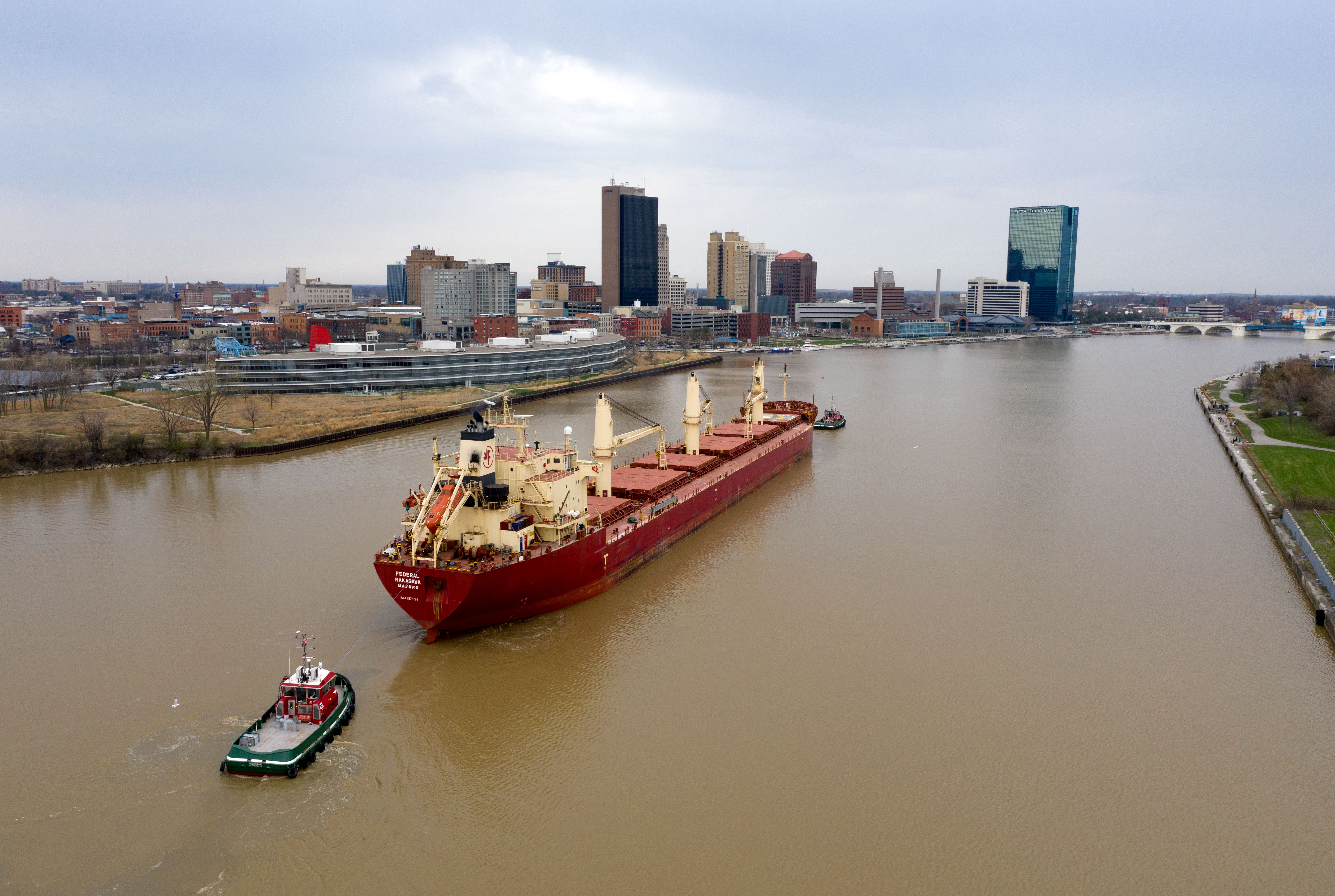
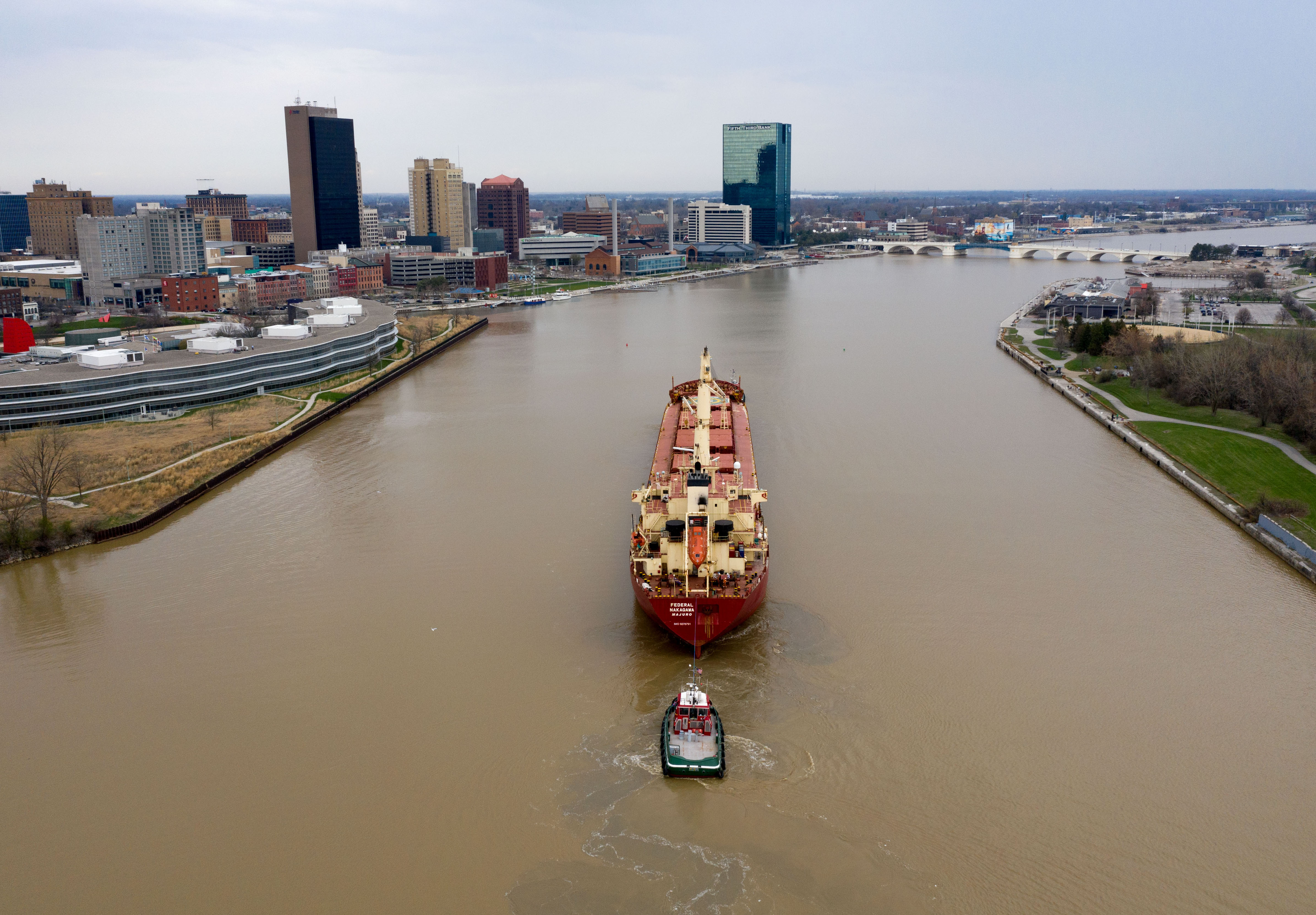


With the Great Lakes shipping season’s first overseas grain freighter and domestic iron-ore carrier having arrived in Toledo, a top local port official hopes last year’s modest traffic decline can be reversed.
Keys to a rebound are a liquid-bulk terminal that opened last year at the Port of Toledo’s general cargo docks and a new 60,000-square-foot warehouse for which the Toledo-Lucas County Port Authority just received an occupancy permit from the city of Toledo.
The new warehouse “broadens our capability to quote material that needs protection from the elements,” said Fred Deichert, chief financial officer for Midwest Terminals of Toledo, which operates the general cargo docks.
Shipments of cement and dry fertilizer booked for the first half of the shipping season are just two examples of dry-bulk materials that the dock would have only been able to handle in bagged lots in the past, Mr. Deichert said.
“Anything you build down there, you build with multiuse capability,” said Joe Cappel, the port authority’s vice president for business development, just as the liquid-bulk terminal is capable of handling a variety of liquids even if its primary use so far has been for refinery traffic.
The liquid terminal has a single 50,000-gallon tank, but there’s room for more tanks at the site if traffic warrants, Mr. Cappel said.
The liquid-bulk sector had the local port’s highest growth percentage last year, rising by 37.54 percent to 472,536 tons. Dry-bulk cargo — mostly stone products but also some pig iron — rose 7.61 percent to 1.73 million tons, and grain increased 10.34 percent to 828,469 tons.
But the port took hits during 2025 in its two largest cargoes by tonnage: Iron ore was down 9.04 percent to 5.34 million tons, while coal traffic fell by 6.11 percent to 2,203,499 tons. Those declines drove a decrease in total cargo by weight of 5.39 percent to 10,717,411 tons.
Tariffs hit aluminum hard
The total also reflected a 63.75 percent drop in general and miscellaneous cargo, which Mr. Cappel said reflected a sharp decline in aluminum movements that were hit hard by Trump Administration tariffs on Canadian aluminum.
Just 151,249 tons of miscellaneous cargo crossed Toledo’s docks last year, down from 417,269 tons in 2024. The port also gets revenue from aluminum brought in by train and carried out in trucks, even though those numbers don’t show up in the waterborne cargo statistics.
“There’s really no way around it,” Mr. Cappel said. “There is a base level demand for aluminum, but as stockpiles depleted last year, a national shortage developed.”
General cargo also includes heavy machinery and similar “project cargo,” which Mr. Deichert said may reappear at the port in 2026.
Coal’s decline continued a long-term trend driven by its plummeting use in electricity generation, first in Canada and more recently in favor of natural gas power plants in the United States. That impact has been felt throughout the Great Lakes; in the port of Superior, Wis., Detroit Edison is closing its coal dock this year and has already stopped receiving coal there.
Iron ore, meanwhile, dipped after consecutive years of increases driven by iron briquette production at the Cleveland-Cliffs plant in East Toledo. With that plant having reached full production capability several years ago, annual ore consumption tracks steel-making demand, Mr. Cappel said.
The local plant and Cleveland-Cliffs’ Middletown Works, a traditional blast-furnace integrated steel mill formerly known as AK Steel and Armco Steel before that, account for all the iron ore shipped into Toledo. Ore for the Middletown plant is transferred to trains for final delivery.
Grain up after down year in 2024
Grain’s increase last year in Toledo occurred despite drought-reduced crop yields but that traffic remained lower than its levels of 2022 and 2023.
Grain movements depend heavily on weather, crop yields, and domestic demand. Right now, Mr. Cappel said, corn is dominating export grain shipments from Toledo, with the region’s soybeans more likely to be processed domestically.
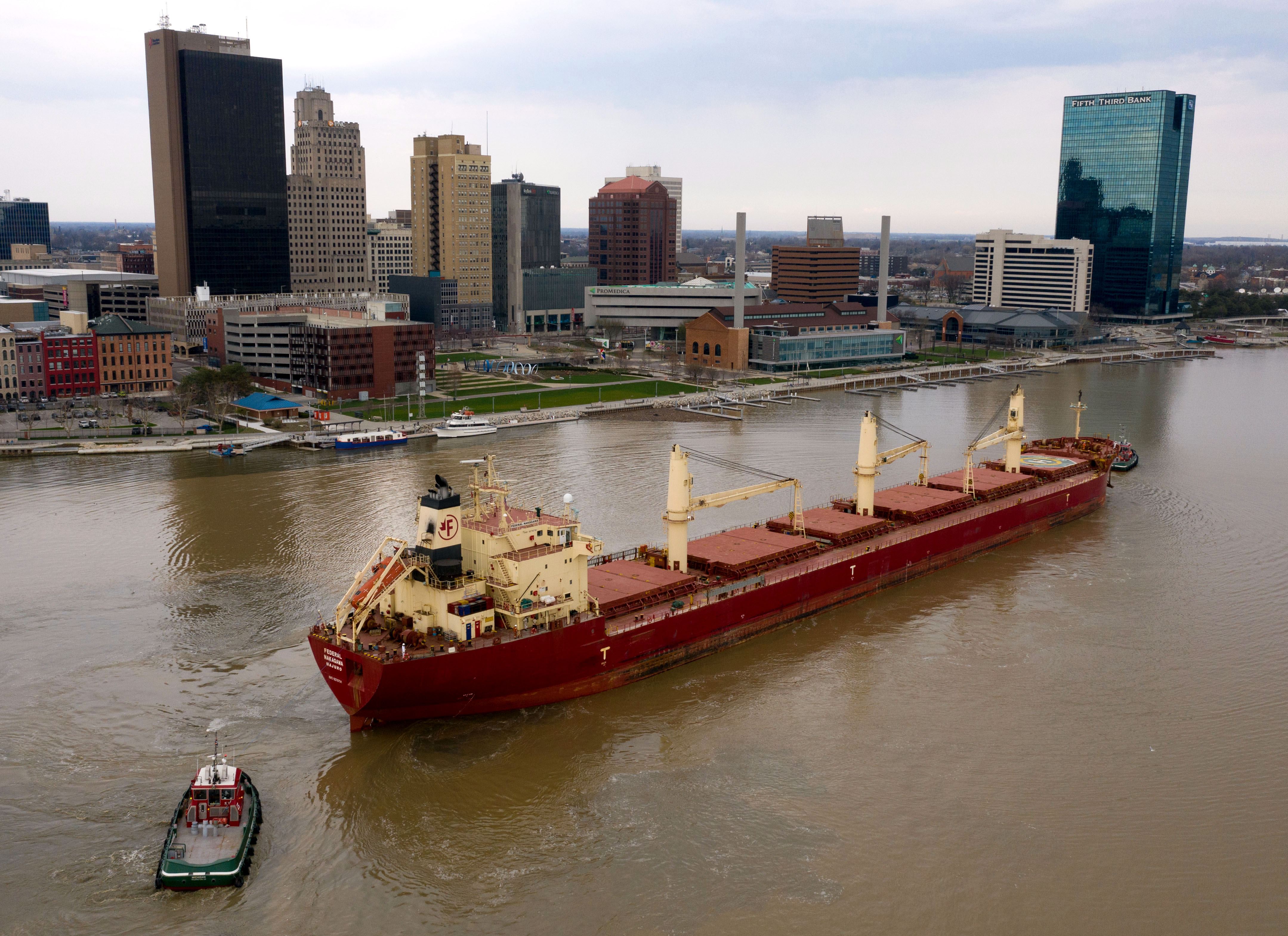
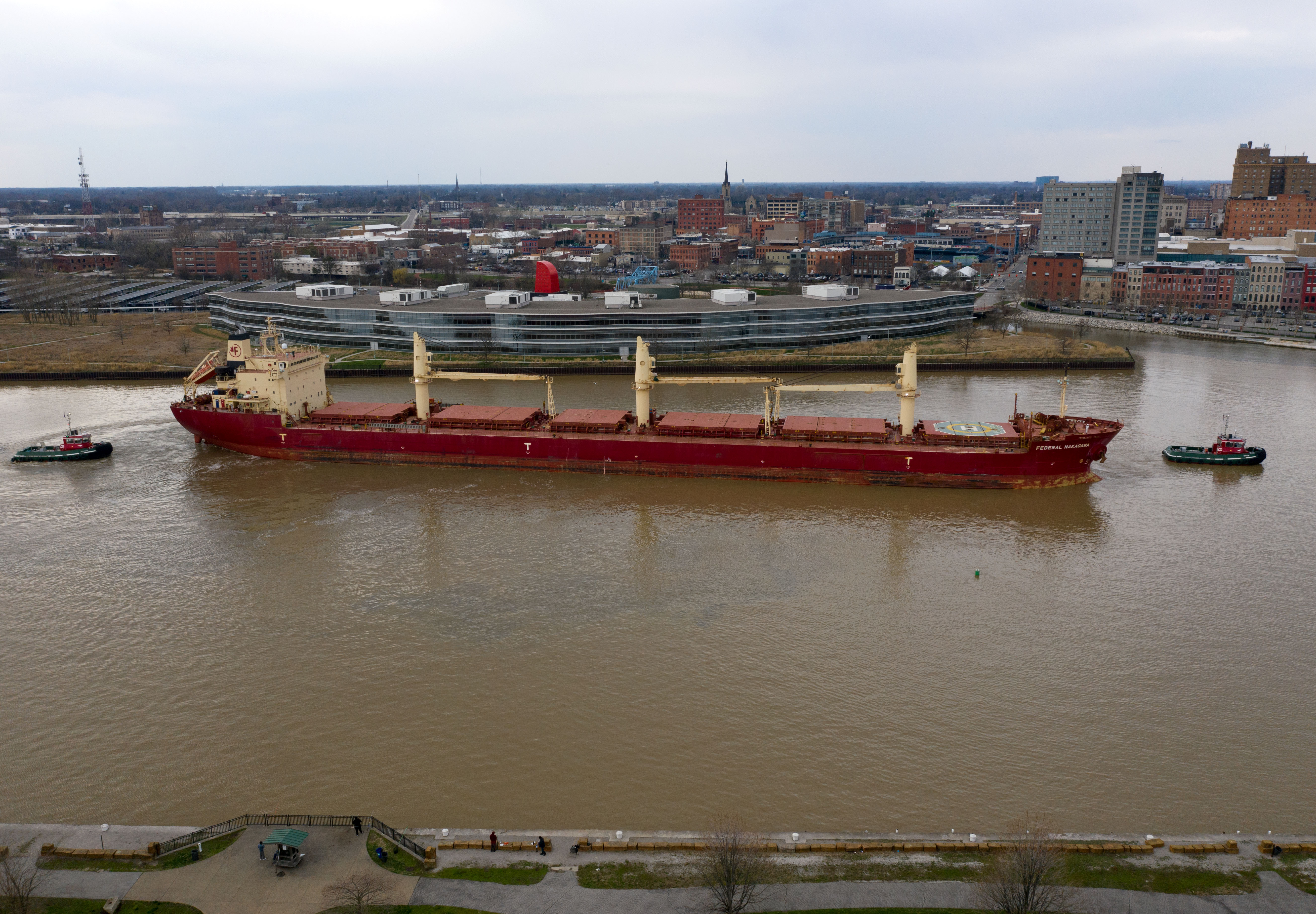
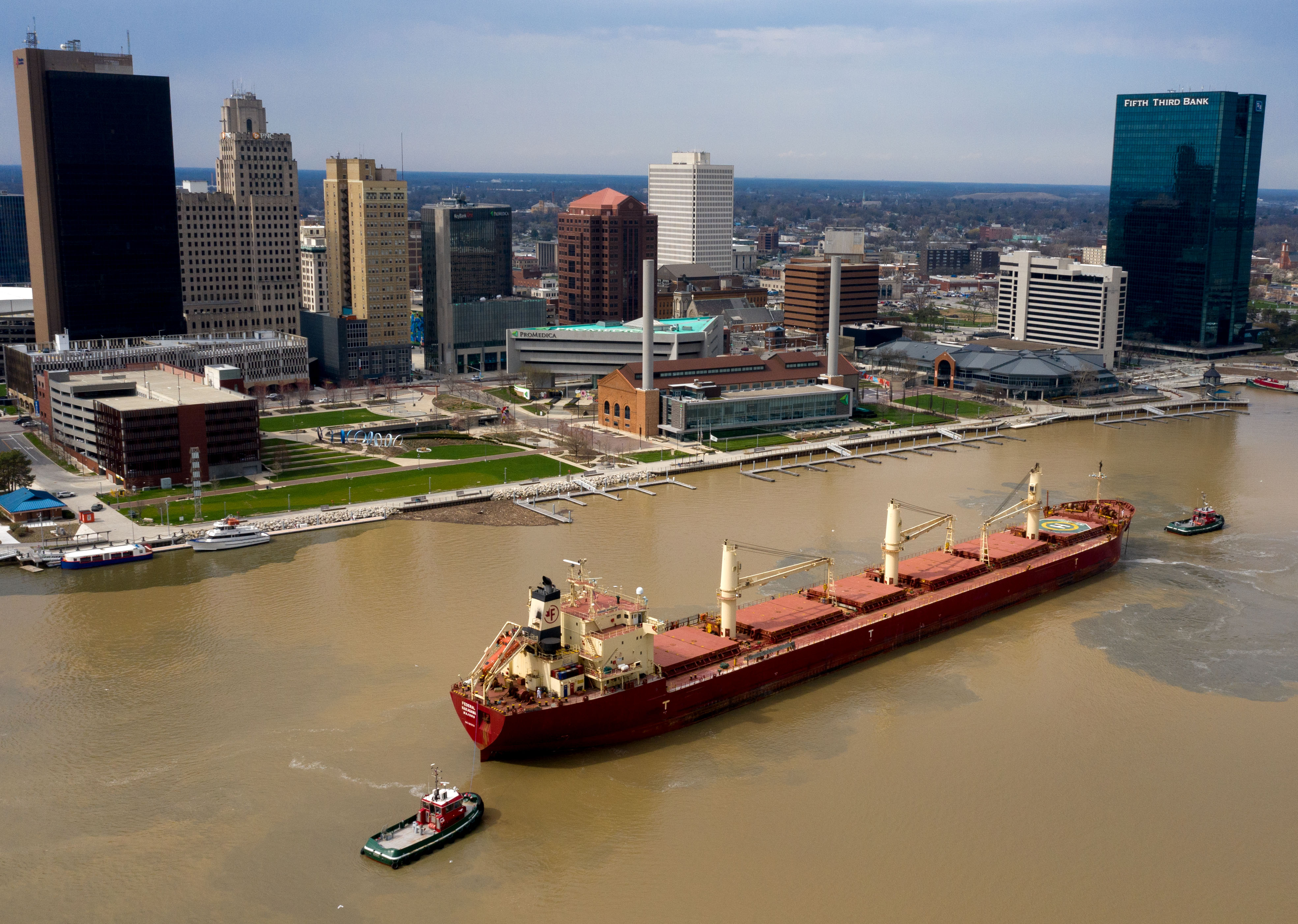
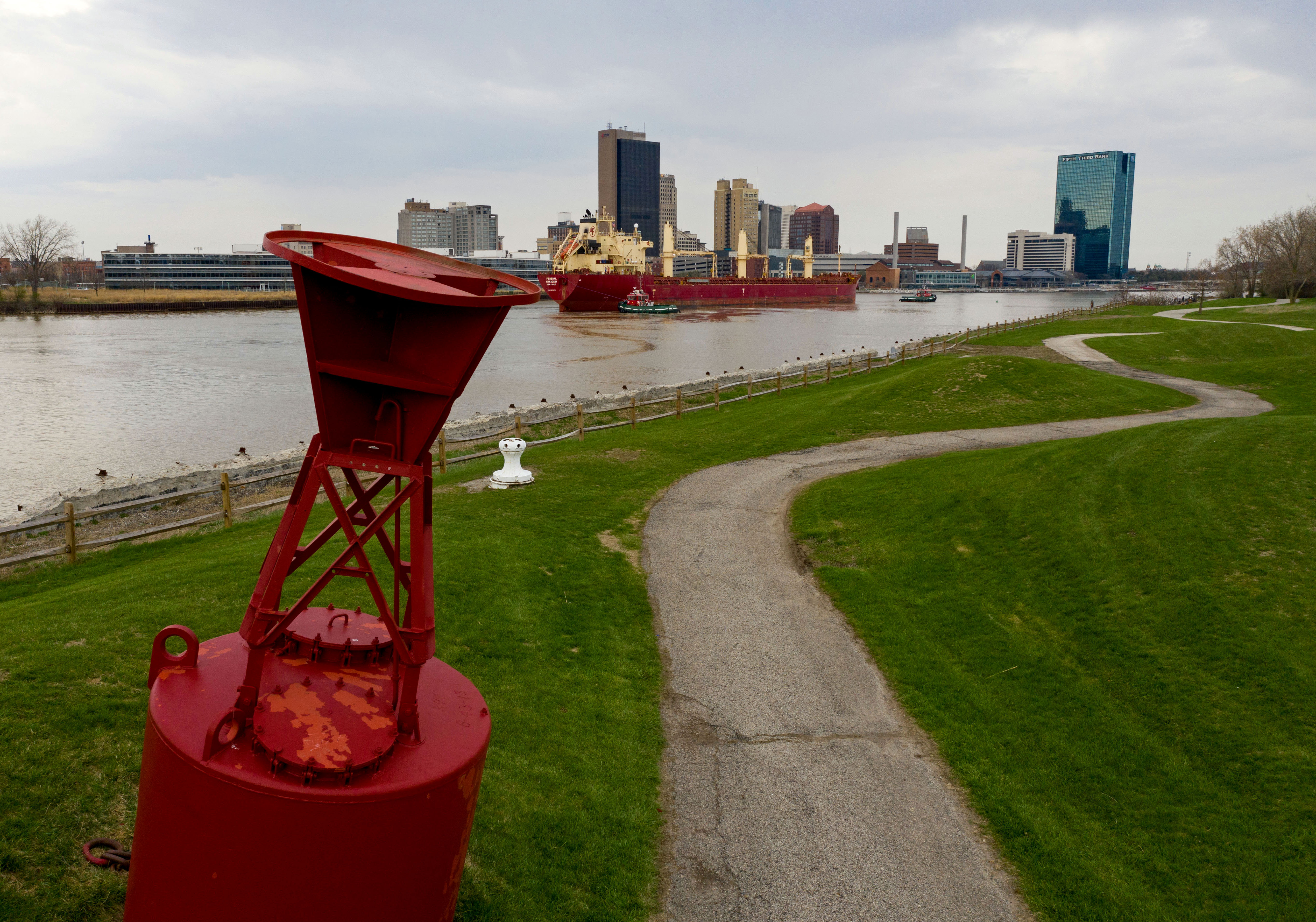
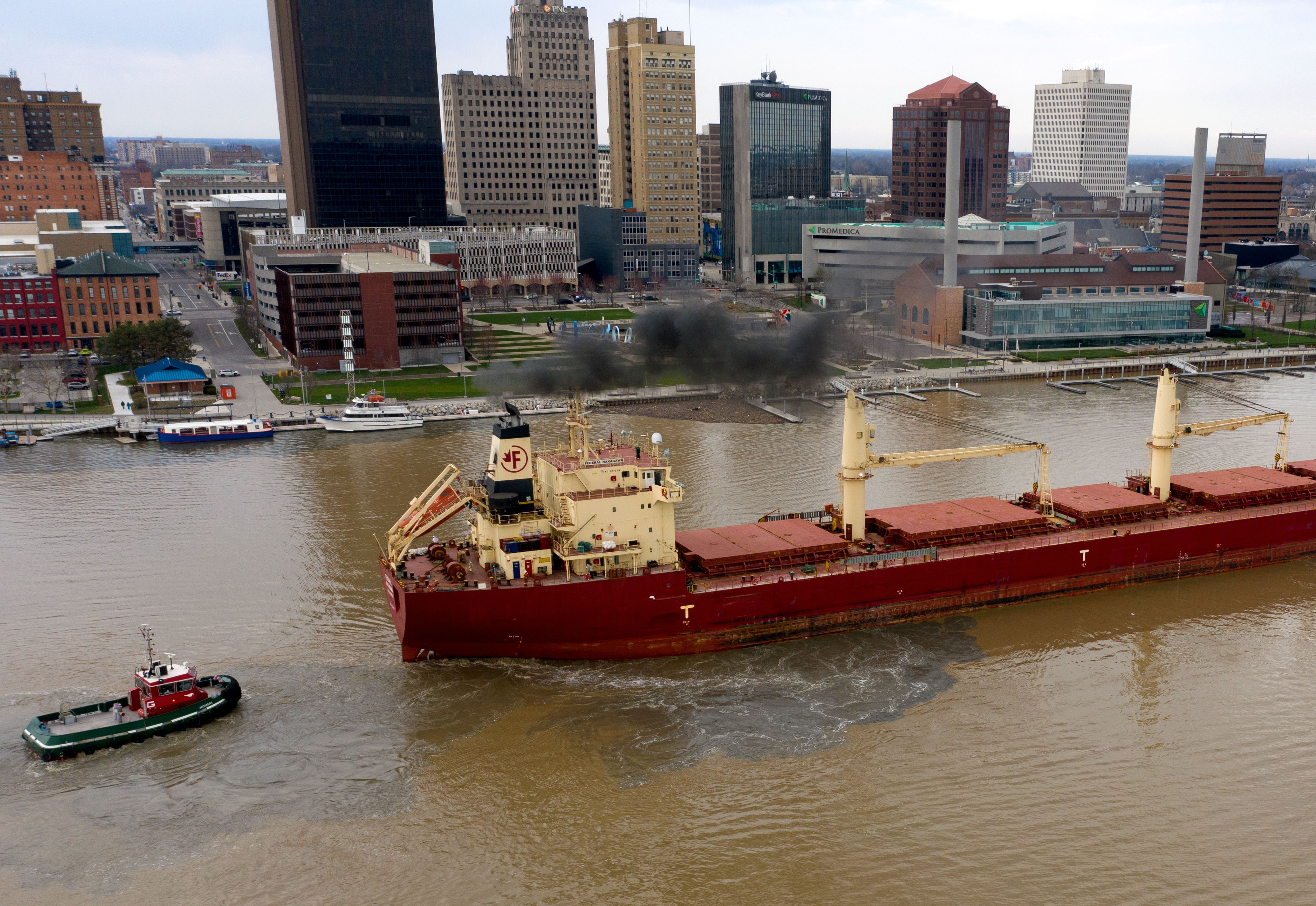
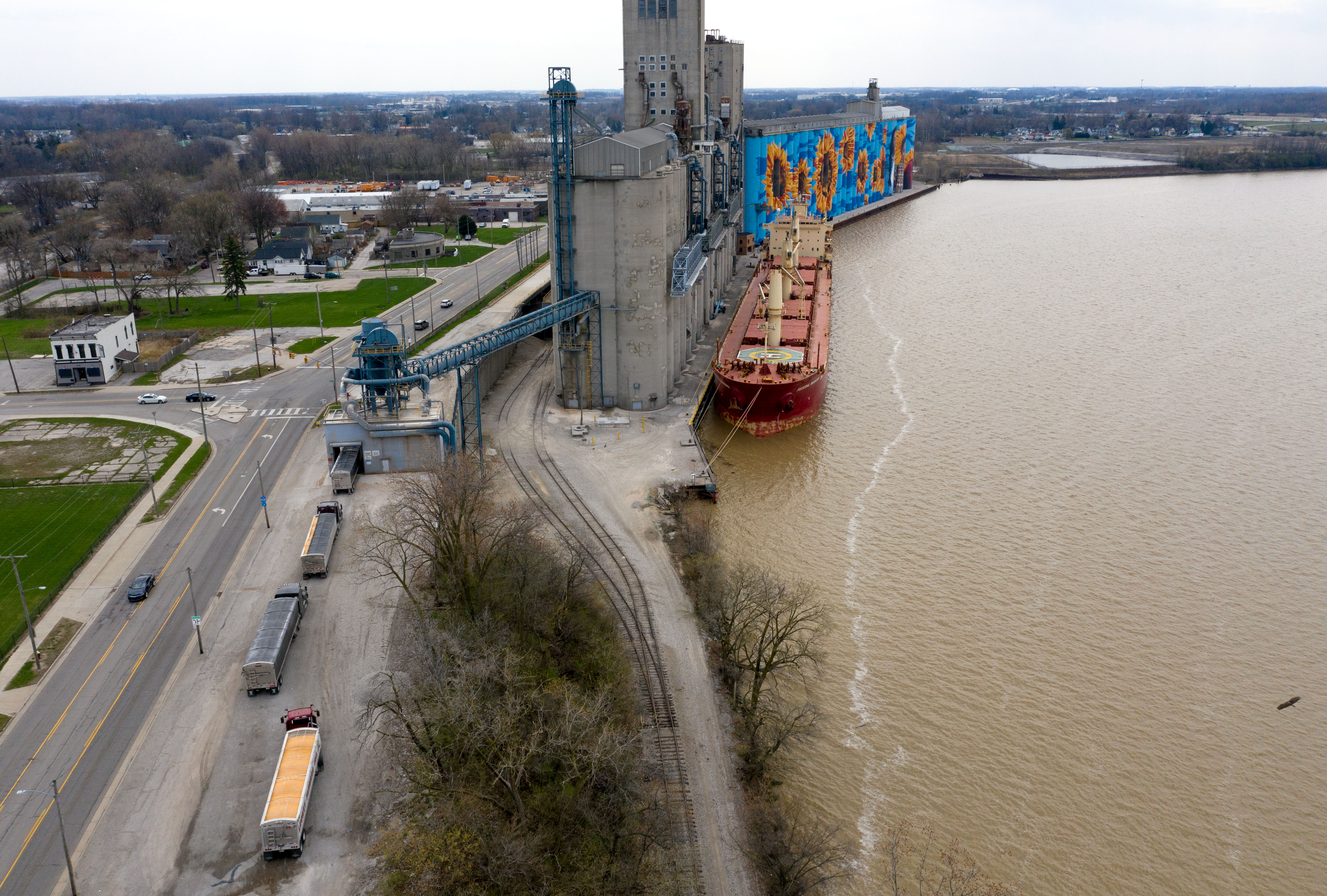
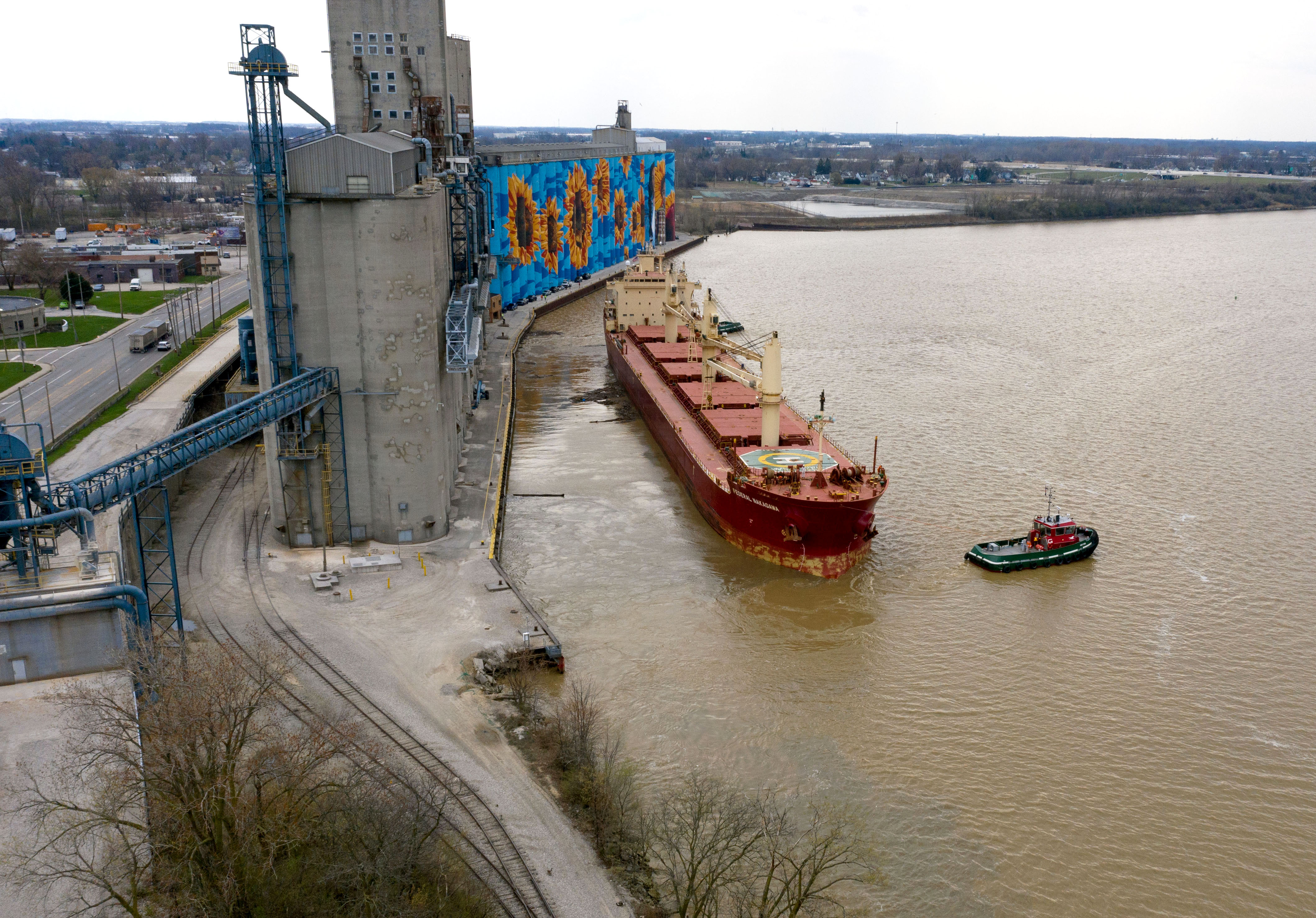
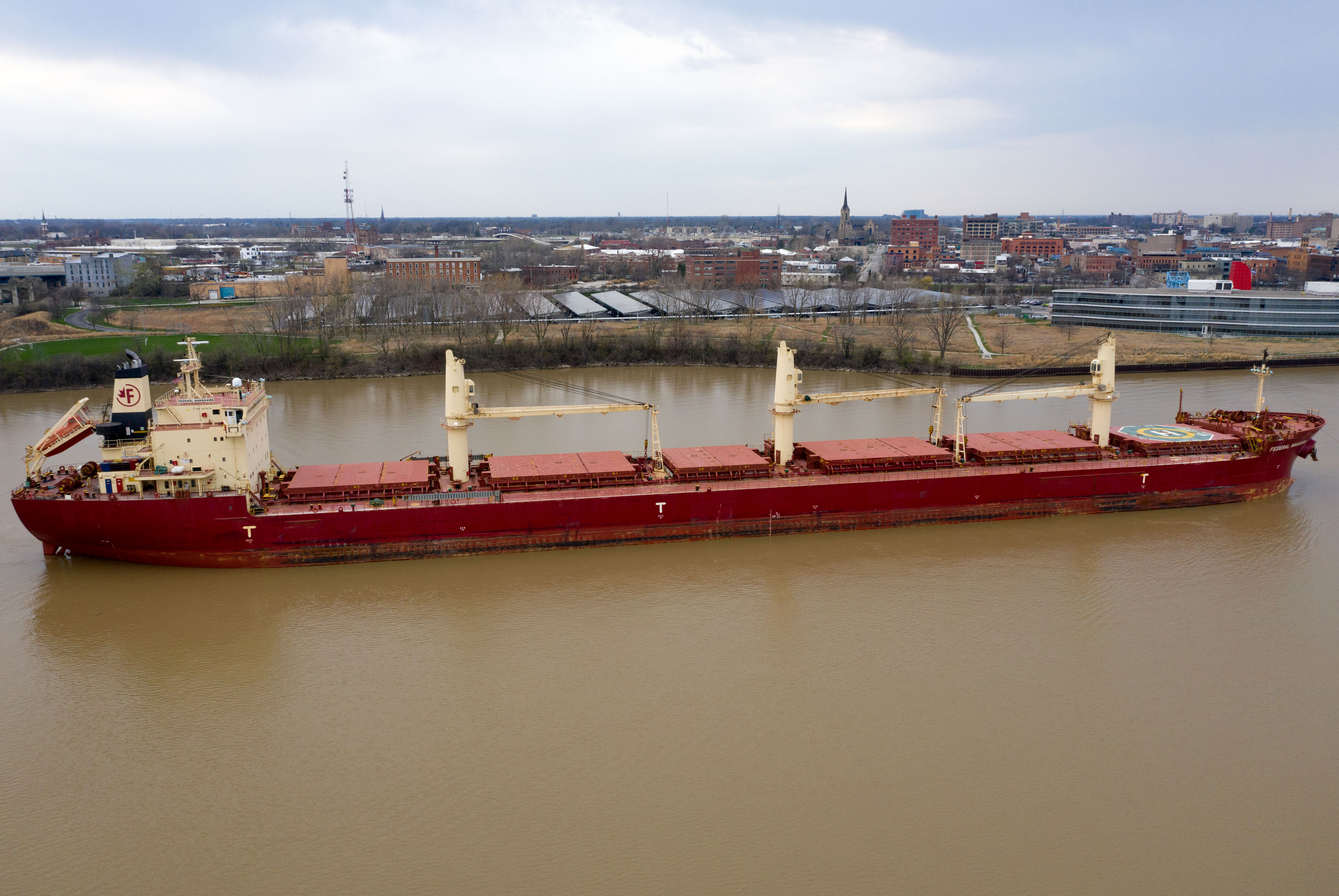
The M.V. Federal Nakagawa, which arrived at the ADM elevator in late March, loaded corn for Ireland and left Thursday after waiting several days for Maumee River flooding, which caused dangerous currents in the shipping channel, to ease up.
While grain is mainly an export cargo at the Toledo port, Mr. Cappel said he is eager to see what Mennel Milling can do with inbound wheat at the Front Street flour mill that it bought last year from Mondelez International.
To support the trucking side of the port, the port authority plans to reconstruct St. Lawrence Drive, its main access road, during 2026, the vice president said. There also are pending plans to expand the docks’ cargo laydown area into 50 vacant acres between the entrance road and the neighboring coal and stone docks operated by CSX Transportation.
Contact David Patch at
dpatch@theblade.com.