
What’s in a name?
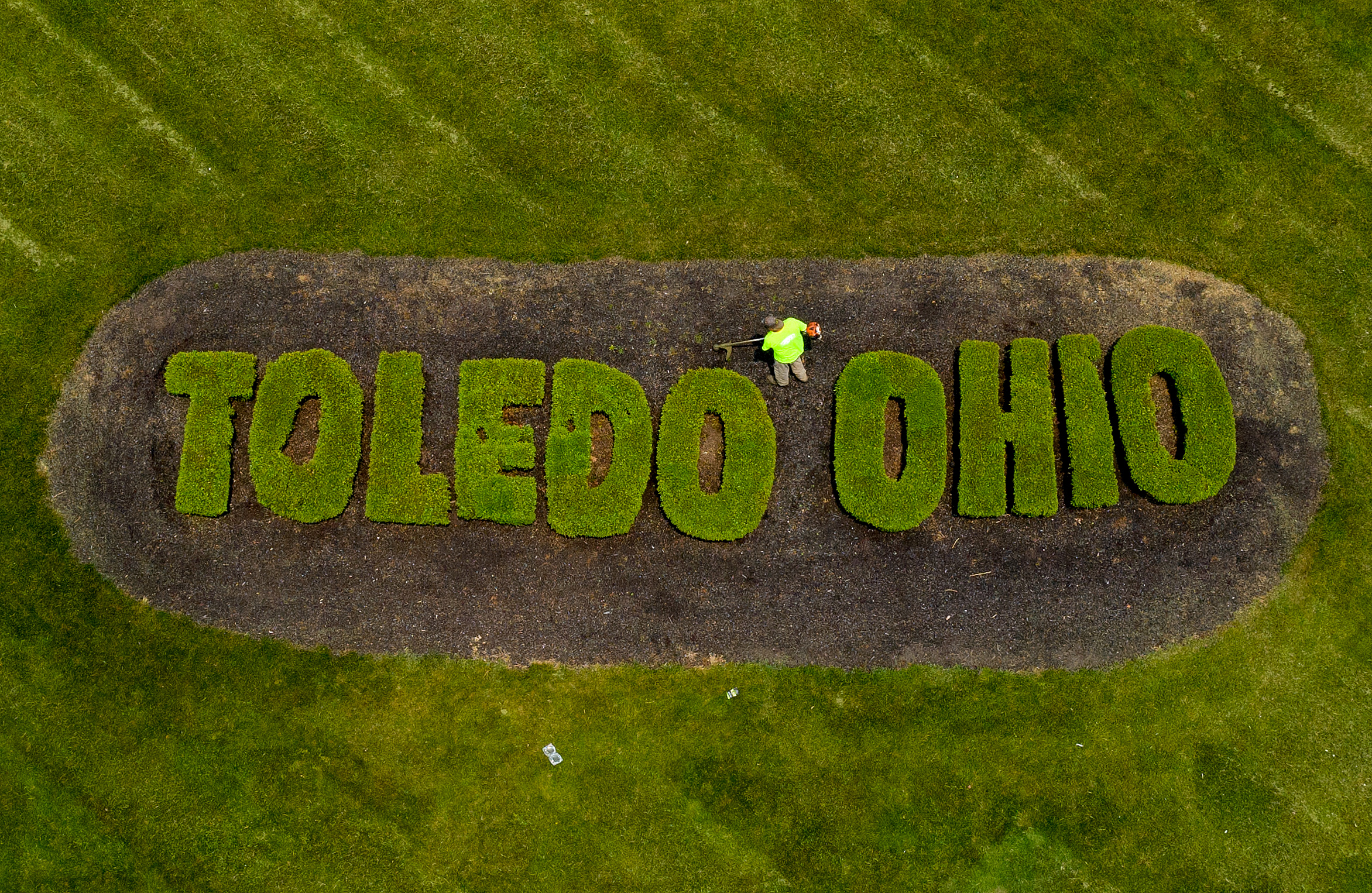
In downtown Toledo, the streets named for the five Great Lakes and the presidents are easy to suss out: Huron, Ontario, Michigan, Erie, and Superior run largely north/south, and Jackson, Adams, Madison, Jefferson, Monroe, and Washington run east/west.
Many communities across the country — Toledo being no exception — have streets named Main, Front, State, Church, Market, Park, and River, all reflecting the geographic area, original purpose, or function of the thoroughfare. Trees, fruits, flowers, states, and directional or navigational terms are also popular.
“Some of it’s obvious,” Gayle Harmon-Hebert, a Toledo librarian, said of streets named for those types of things.
Harmon-Hebert works in the Local History & Genealogy department at the Toledo Lucas County Public Library. “Whenever I’m reading old articles, it’s kind of fun,” she said of researching street name origins. “There was a lot of cool stuff.”
She also came across a 1944 article shedding light on some vanity street names.
Girlfriends, wives, sisters, aunts, and mothers got their pocket of names in West Toledo with, among others, Elsie Avenue, Ruth Avenue, Sheila Drive, Elaine Drive, Fern Drive, Sandra Drive, and Adelaide Drive, the latter named for Adelaide Schmit,t who was a clerk in the county commissioners’ office in the 1920s.
Nick Louis Faulkner of Historic Toledo: Then and Now, a Facebook group of history enthusiasts, asked members to send The Blade tidbits on street names.
Among those who responded, Lawrence Stine wrote: “Kevin Place between Fulton and Cherry streets was developed by Whelan & Beck as early as 1912. John C. Whelan and his brother-in-law C. Victor Beck were real estate developers most active throughout the 1910s and 1920s. Mr. Whelan named this street, Kevin Place, for his son Kevin.”
There are, of course, many roadways named for historic military figures like Gen. Anthony Wayne. And the names of streets in a neighborhood near the Toledo Zoo are all nods to elite East Coast colleges: Dartmouth Drive, Cornell Drive, Princeton Drive, Yale Drive, and the like.
A 1936 article noted several of Toledo’s pioneer and founding families had streets named for them: Platt, Hathaway, Fassett, Millard, Consaul, Rogers and all in East Toledo.
What, then, of the not-so-easily identifiable names of streets and neighborhoods? Here’s a look at some that may not be so obvious.
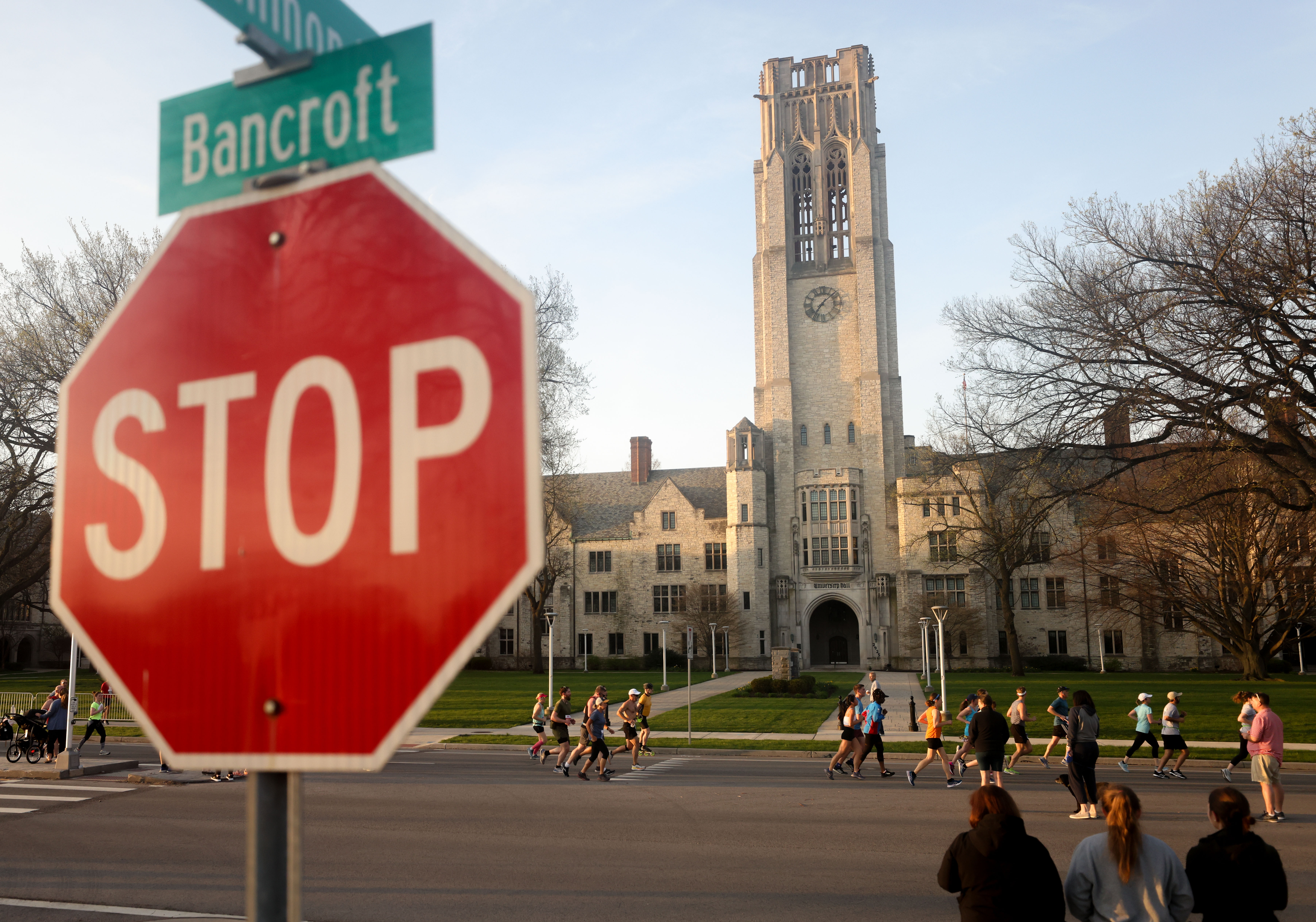
Bancroft Street: Developer B.C. Bowen is said to have used English-sounding names when he developed the Old Orchard and Westmoreland neighborhoods of Toledo in the early 20th century.
Berdan Avenue: Toledo’s first mayor John Berdan (1798-1841) was a businessman and a judge in the Lucas County Common Pleas court. A 2017 Blade story recounts how a photo of his son ended up being displayed in a gallery of Toledo mayors at One Government Center.
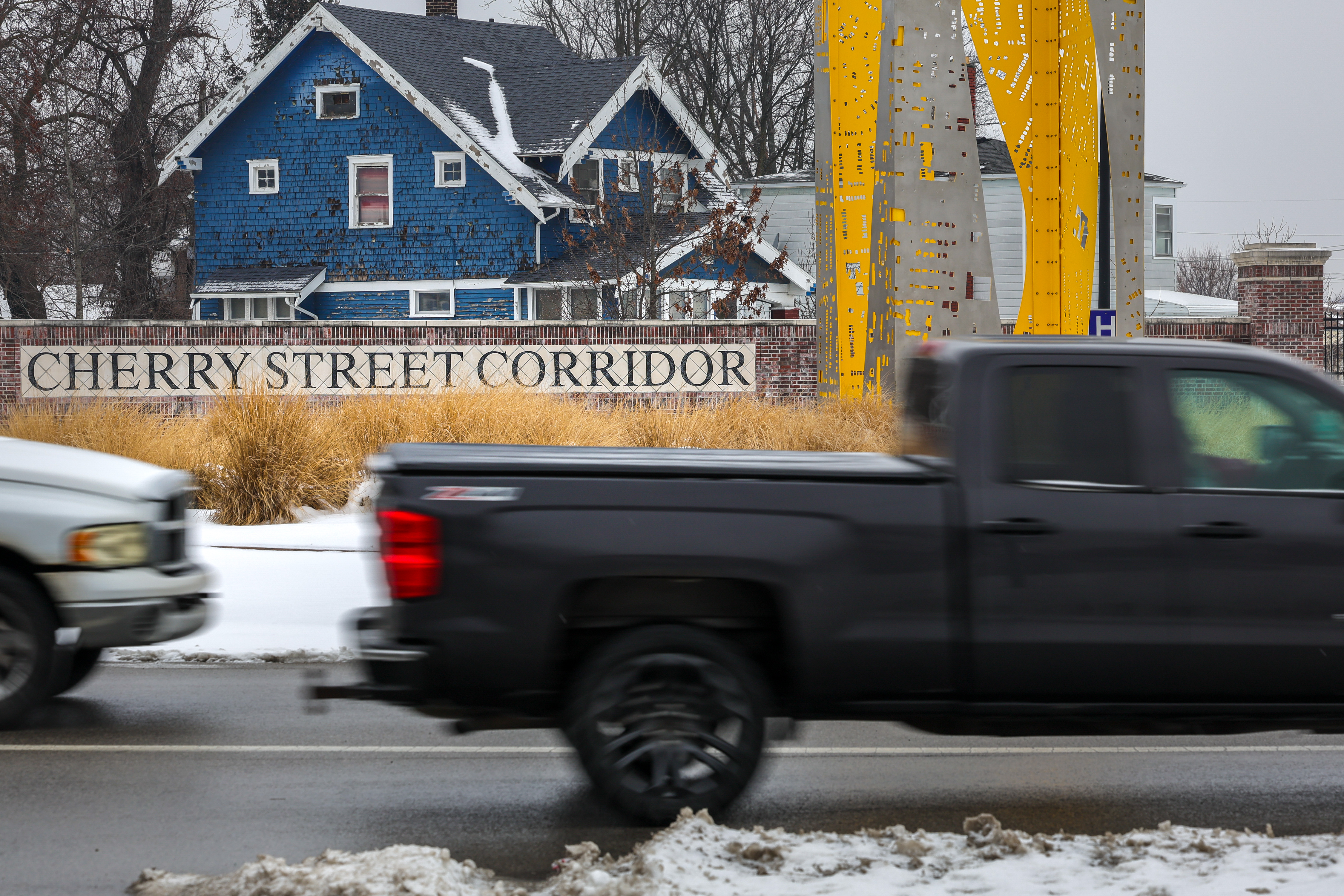
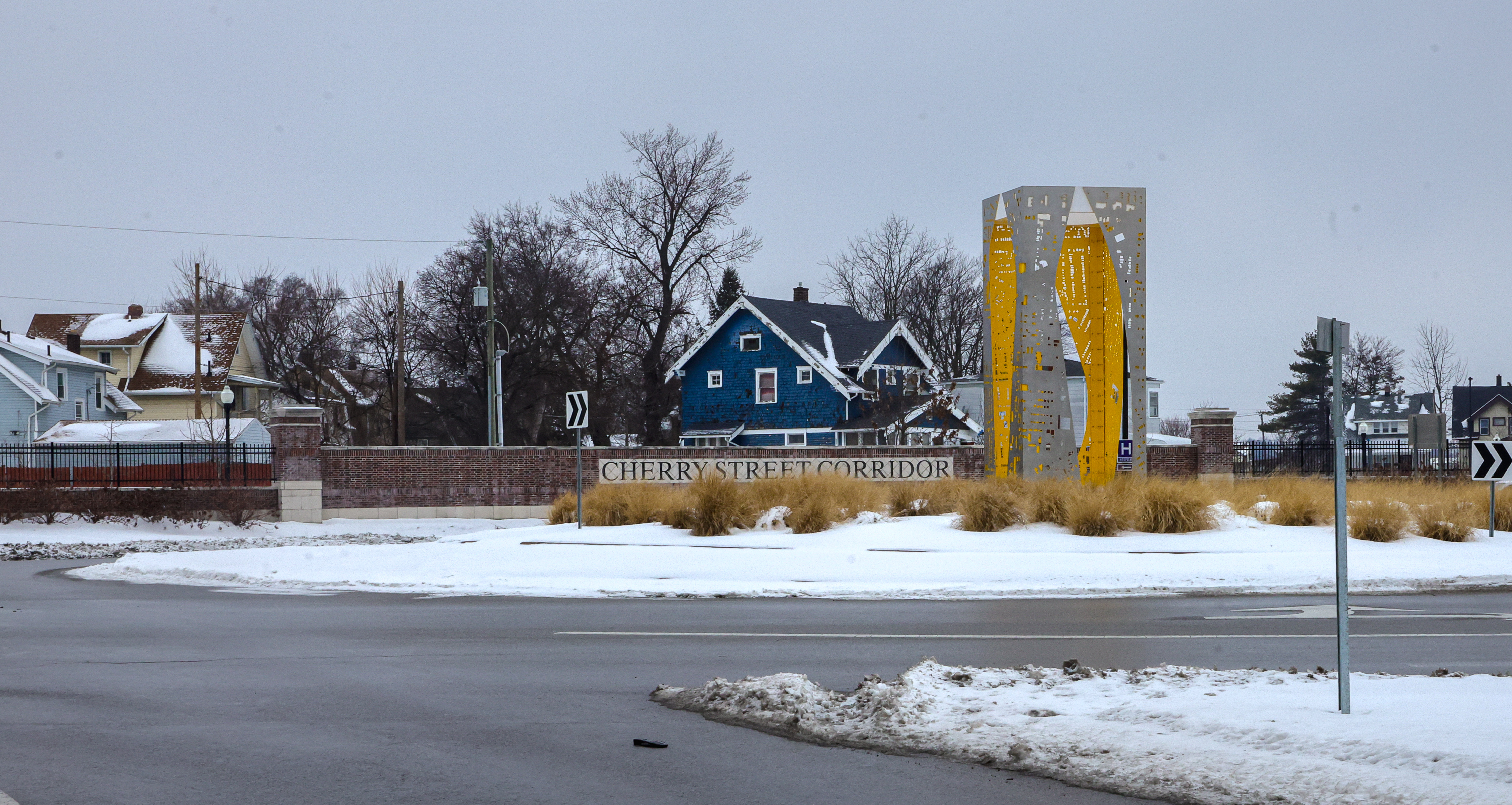
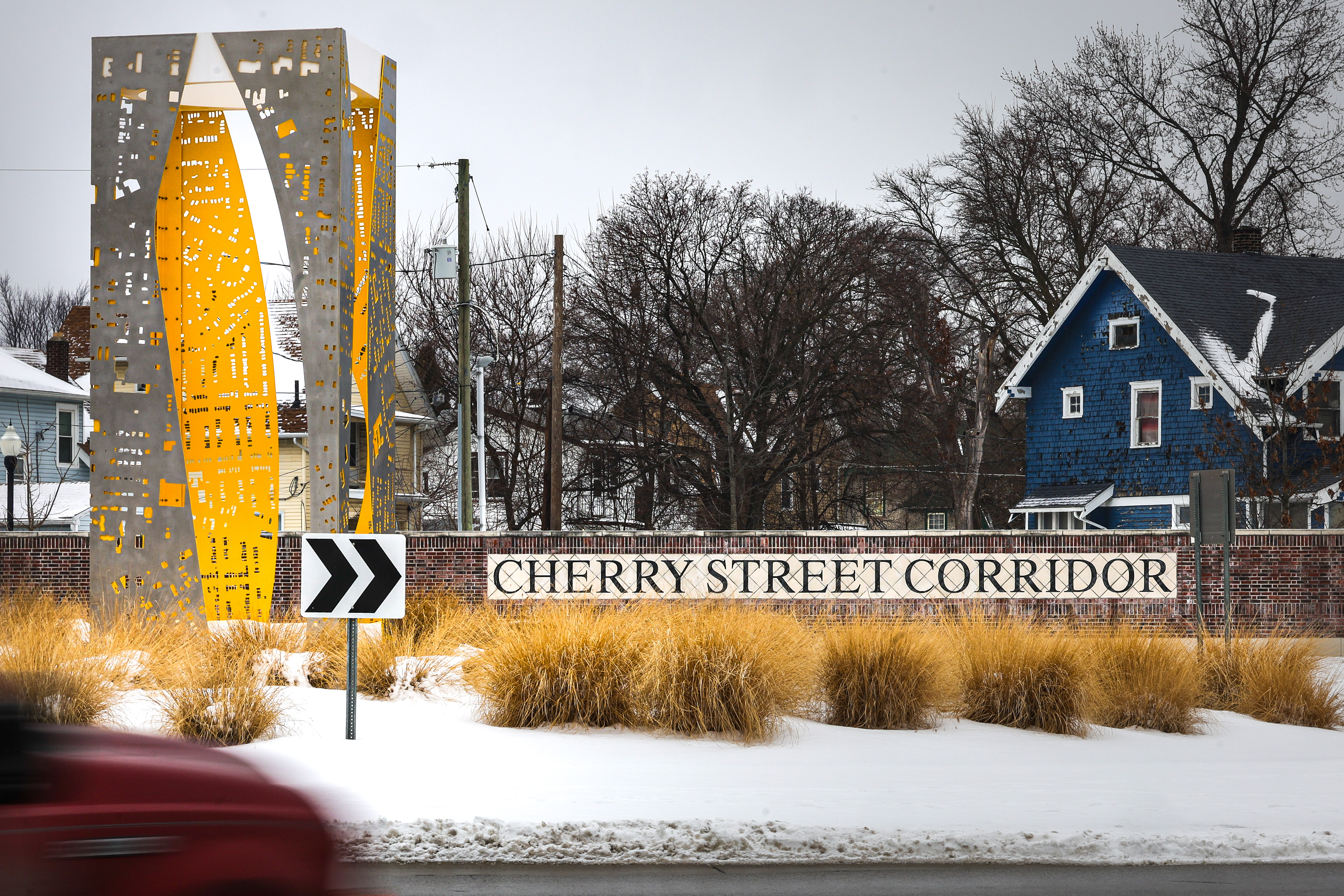
Cherry Street: Named for the Cherry family, early farming settlers, this stretch now carries a street, a bridge name and a business corridor.
Collingwood Boulevard: Two theories exist on this one in an Old West End Toledo history group. The first says it was named for Sanford L. Collins (1806-1889) who was the first treasurer of Lucas County. The discussion among members also postulates that it was “originally called ‘Collins’ Wood’ after the Collins family, and was later changed to Collingwood. This is possibly because of the fancy handwriting, which looked like Collingwood.”
Dorr Street: The historic corridor was once home to a thriving Black business district and is now the focus of a revitalization effort centered on Art Tatum and the city’s musical heritage. The street itself was named for Civil War-era attorney Charles Milton Dorr, who served as Toledo’s mayor for several nonconsecutive terms from 1851 to 1867.
The African American Legacy Project of Northwest Ohio has no plans to change street names for the Bringing Tatum Home project, said Robert Smith, president of the nonprofit. “We’re trying to protect the historical integrity of the neighborhood and corridor,” he said.
Hathaway Street: This East Toledo street was named for Dr. Harrison Hathaway (1841-1906), a physician and Civil War veteran. But it was originally called Fort Street, “so designated because of a fort established by the French on the Maumee River at the foot of the street,” according to a Blade archival story.
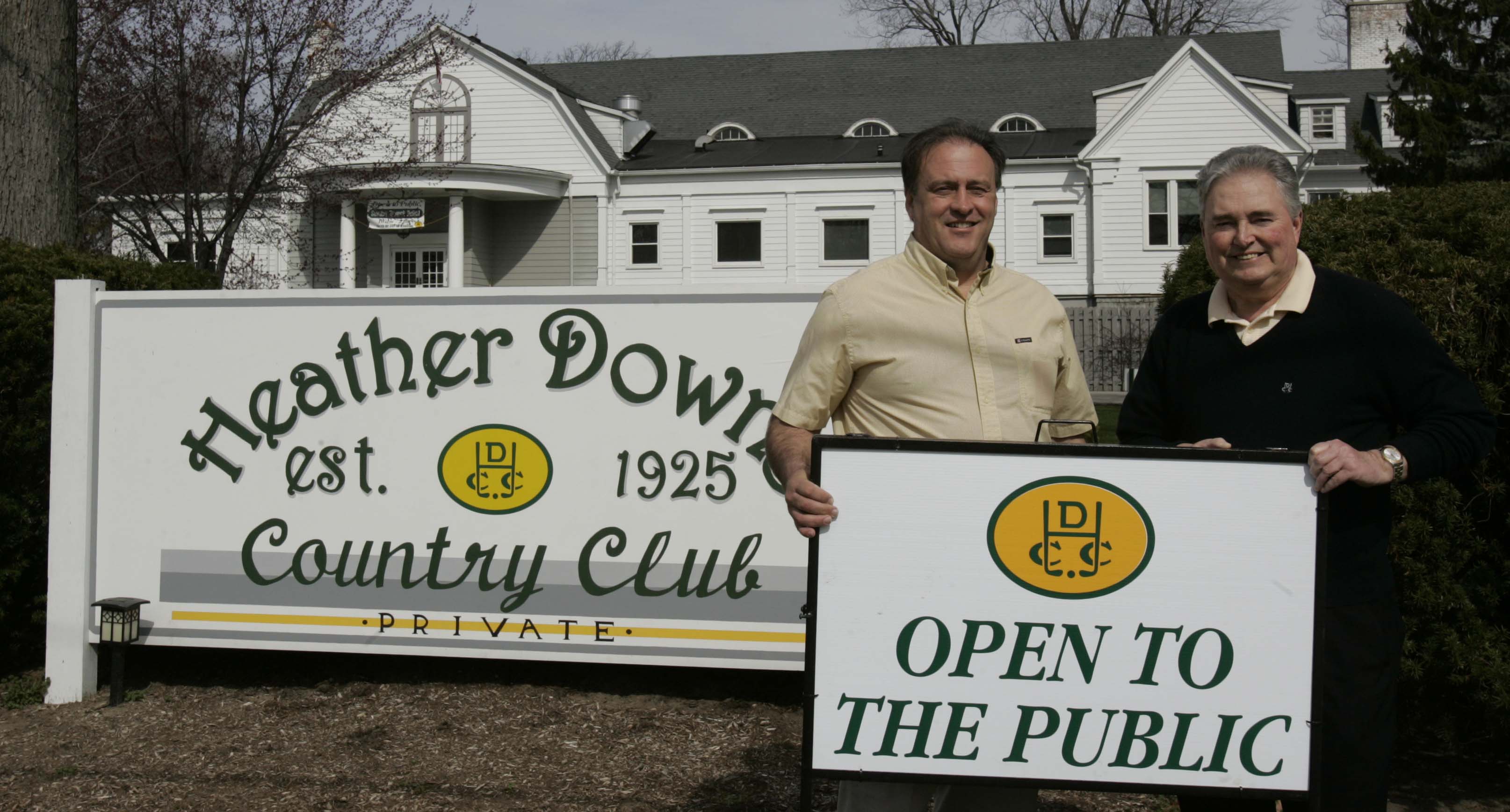
Heatherdowns Boulevard: Long before it was a one-word street and before Heather Downs was a private country club or a public golf course, it was a horse-racing track. The track was transformed into a country club in 1924, according to the club’s website.
Lagrange Street: Originally La Grange in 1830, before Toledo was a town, the street was named for the villa in France owned by the Marquis de Lafayette, the general who aided George Washington during the Revolutionary War. He returned to the U.S. in 1824-25 to much fanfare.
“Lafayette never visited this part of the state, but local folks were caught up with the excitement which swept the country and vowed they wanted to do something to get into the act,” an archived Blade article reported.
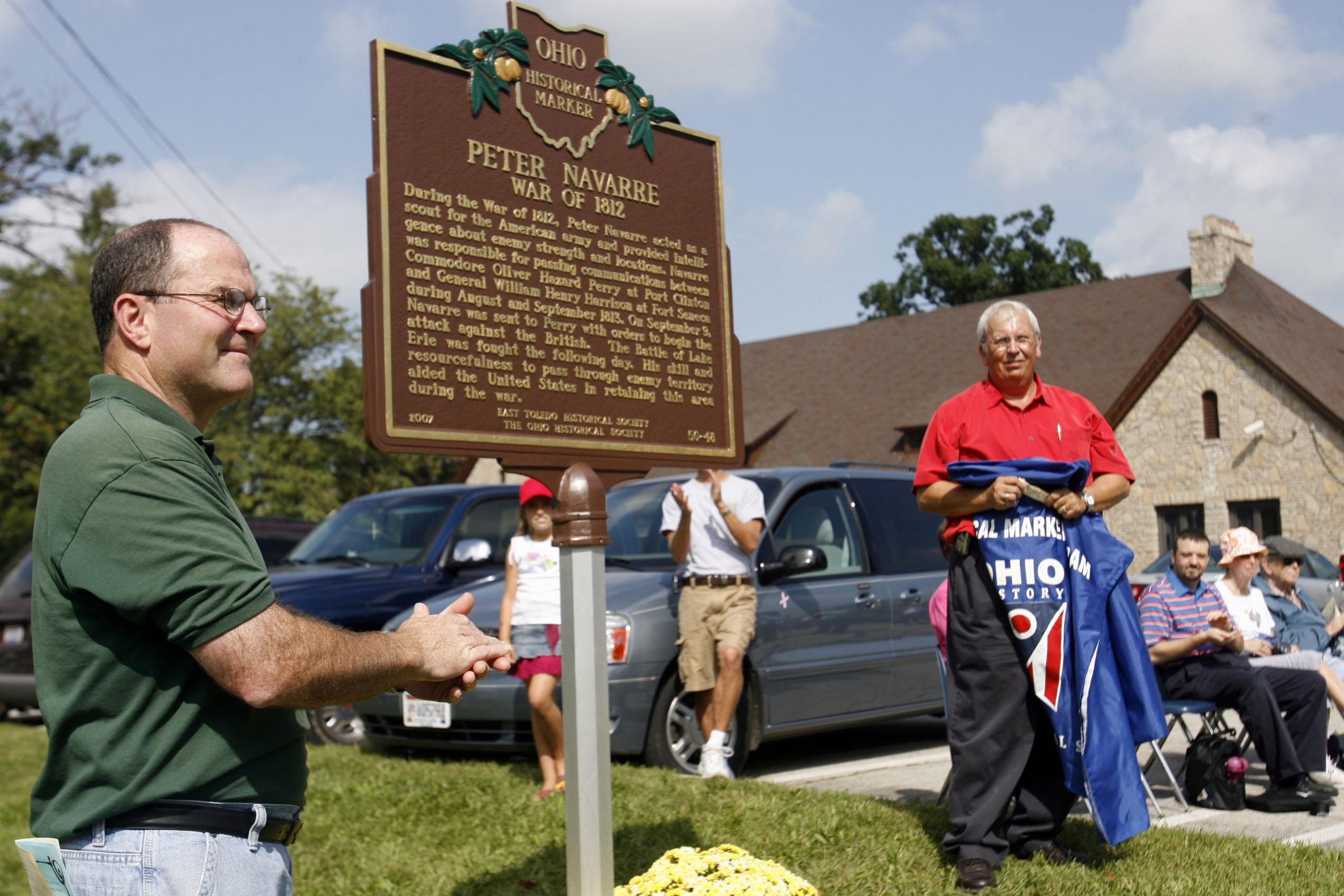
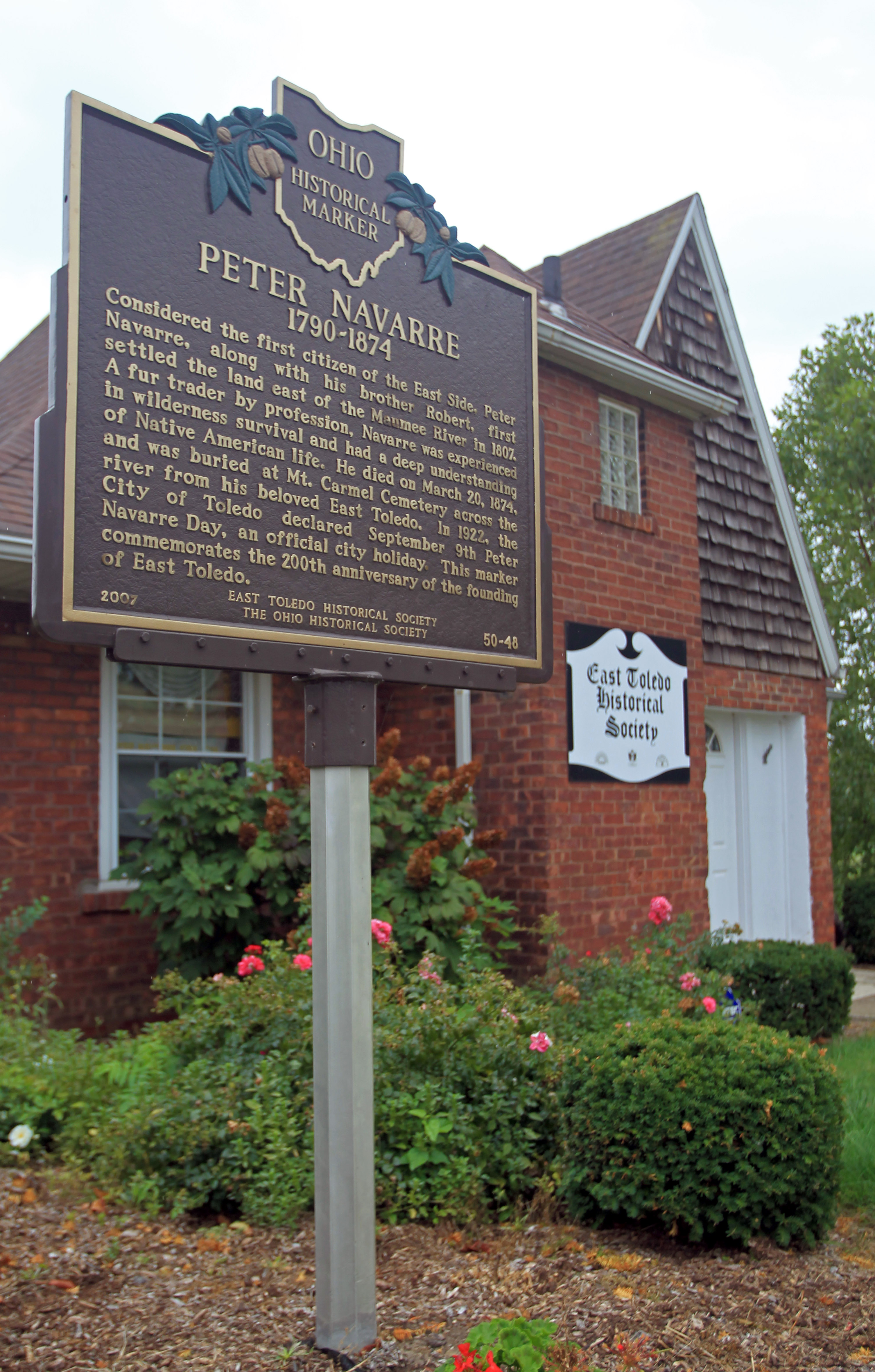
Navarre Avenue: This stretch, also known as State Route 2, begins in East Toledo and runs through Oregon until the name changes in Jerusalem Township. Peter Navarre (1790-1874), a frontiersman and fur trader, was a key communications courier and scout during the Battle of 1812 and the siege at Fort Meigs. A historic marker about him and his brother, Robert Navarre, is in Navarre Park, 1001 White St.
Secor Road: The Secor family was a prominent one in Toledo. Joseph K. Secor was the founder of First National Bank. He and his wife, Elizabeth, built a mansion on Bush Street at North Summit Street that still stands. His brother James Secor managed the grocery company Secor, Berdan & Ketcham, and later also went into banking.
Spielbusch Avenue: A public uproar ensued in 1972 when a proposal was floated to change the name of the street honoring Henry Spielbusch, a Toledo pioneer who was a grocer, volunteer fireman, and later Toledo City Councilman in the late 1800s.
Toledo’s neighborhoods also have names with historic or cultural significance. Among them are Junction and Vistula, two of the city’s oldest.
Vistula, established in 1832, was Toledo’s first neighborhood and is listed on the National Register of Historic Places. “It is a living museum of commercial, domestic, and ecclesiastic architecture,” according to its historic description.
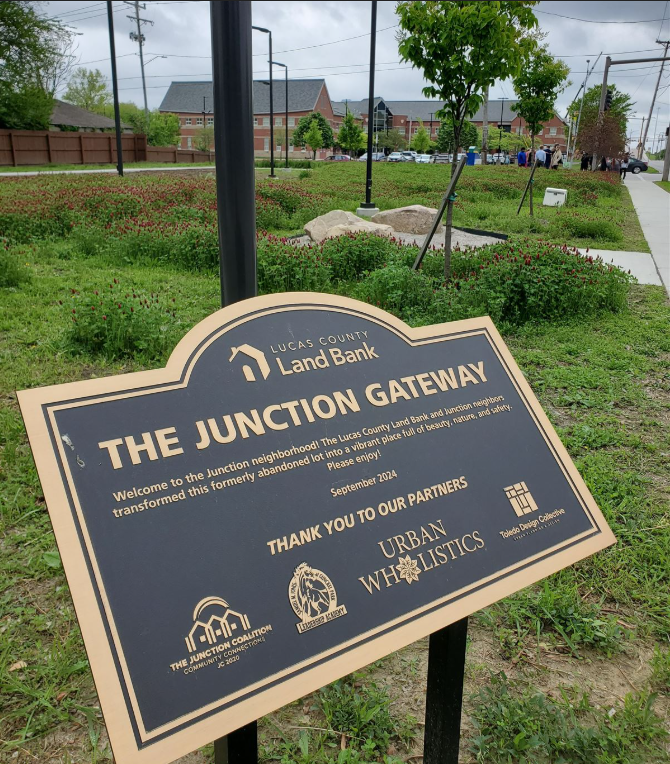
The Junction community in central Toledo got its name from the confluence of industry and railroads.
Today, the Junction Coalition works with neighbors, civic and social groups, and programs for peace education, as well as economic, environmental, and social justice in the neighborhood.
“Multi-generational love — that’s what Junction is,” Alicia Smith, the nonprofit’s executive director, previously told The Blade. “The resilience has become our story, but the victory is what we’re aiming for.”
Blade librarian and archivist Jordie Henry contributed to this report.