
Issue 1 is not where Ohio is
Ohioans, like many Americans, are moderately pro-choice ... and moderately pro-life.
A recent poll showed that exactly the same percentage of Ohioans — 42 percent — agreed and disagreed with a need for “further restrictions on abortion in Ohio.”
That is, many Ohioans believe that abortion should be allowed, with some restrictions, up through the early portion of a woman’s pregnancy. This is not to discount the significant minorities of Ohioans who are strongly pro-life and those who are strongly pro-choice. I count myself in this group. Though I hope that someday Ohioans will welcome all of the unborn into a culture of life, I recognize that that is not where Ohio is.
Issue 1 is also not where Ohio is. It would create an abortion-on-demand regime, including for late-term abortions and abortions by minors without parental consent, that is far more pro-abortion than the law under Roe vs. Wade and Planned Parenthood vs. Casey — and far more pro-abortion than the vast majority of moderate Ohioans.
First, it is clear that in practice Issue 1 will legalize late-term, including partial-birth, abortions. The text of Issue 1 protects both the right to “make” and to “carry out” “reproductive decisions, including ... abortion.” And Issue 1’s text prohibits Ohio from “directly or indirectly” “burden[ing]” or “interfer[ing]” with its abortion right.
This text is breathtakingly broad, and it obviously bars existing Ohio statutes that prohibit late-term abortions. Ohio’s ban on partial-birth abortion, Section 2919.151 of the Ohio Revised Code, states that “no person shall knowingly perform a partial birth procedure on a pregnant woman.” It is clear that this statute “directly ... burden[s] ... [and] interfere[s] with ... this right” and that Issue 1 will outlaw it.
Some advocates have relied on Issue 1’s text that “abortion may be prohibited after fetal viability” to claim that Ohio can continue to prohibit partial-birth abortions, but the very next sentence of Issue 1 says otherwise. “But in no case may such an abortion be prohibited if in the professional judgment of the pregnant patient’s treating physician it is necessary to protect the pregnant patient’s life or health.”
This is the exception that eats the rule. This exception will effectively always permit partial-birth abortion for two related reasons. First, under Roe and Casey, “health” is virtually unlimited and includes emotional health, psychological health, and even the size of one’s family and one’s age. Second, abortion physicians make their livelihoods from performing abortions, and that will influence their “professional judgment” to find that abortion is always authorized by one of these numerous subjective reasons.
Second, Issue 1 will outlaw Ohio’s parental consent requirement in ORC 2919.121 because its right to abortion applies to minor women.
Issue 1’s text begins “Every individual,” and this clearly includes all women, including all minors. Second, minor women have the capacity to become pregnant and therefore to “make ... reproductive decisions.”
Third, Issue 1 has only two limits on abortion — fetal viability and “advanc[ing] the individual’s health”— neither of which protects parental rights. Fourth, if the sophisticated authors of Issue 1 had wanted to protect parental rights, it would have been very easy to do so: just copy the language from ORC 2919.121. Their failure to do so shows that they made an intentional choice to not protect parental rights.
Advocates defending Issue 1 have struggled mightily to explain how Issue 1 protects parental rights despite its obvious failure to do so. The best they can do is say that “it is unlikely that the courts would invalidate parental consent.”
That’s small comfort to parents. Backers of Issue 1 also point to “Ohio’s current law” protecting parents’ rights, but the very point in contention is that those statutes will be overruled by Issue 1.
Don’t be fooled by the assertion that Issue 1 merely “aims to reinstate the rights that Roe guaranteed.”
As the State Attorney General’s thoughtful legal analysis showed, Issue 1 “creates a new, legal standard that goes beyond what Roe and Casey said” in at least a half-dozen ways. Issue 1 would impose an abortion-on-demand regime on Ohio through all nine months of pregnancy, including for minors, something moderate Ohioans do not believe in. Issue 1 is not where Ohio is.
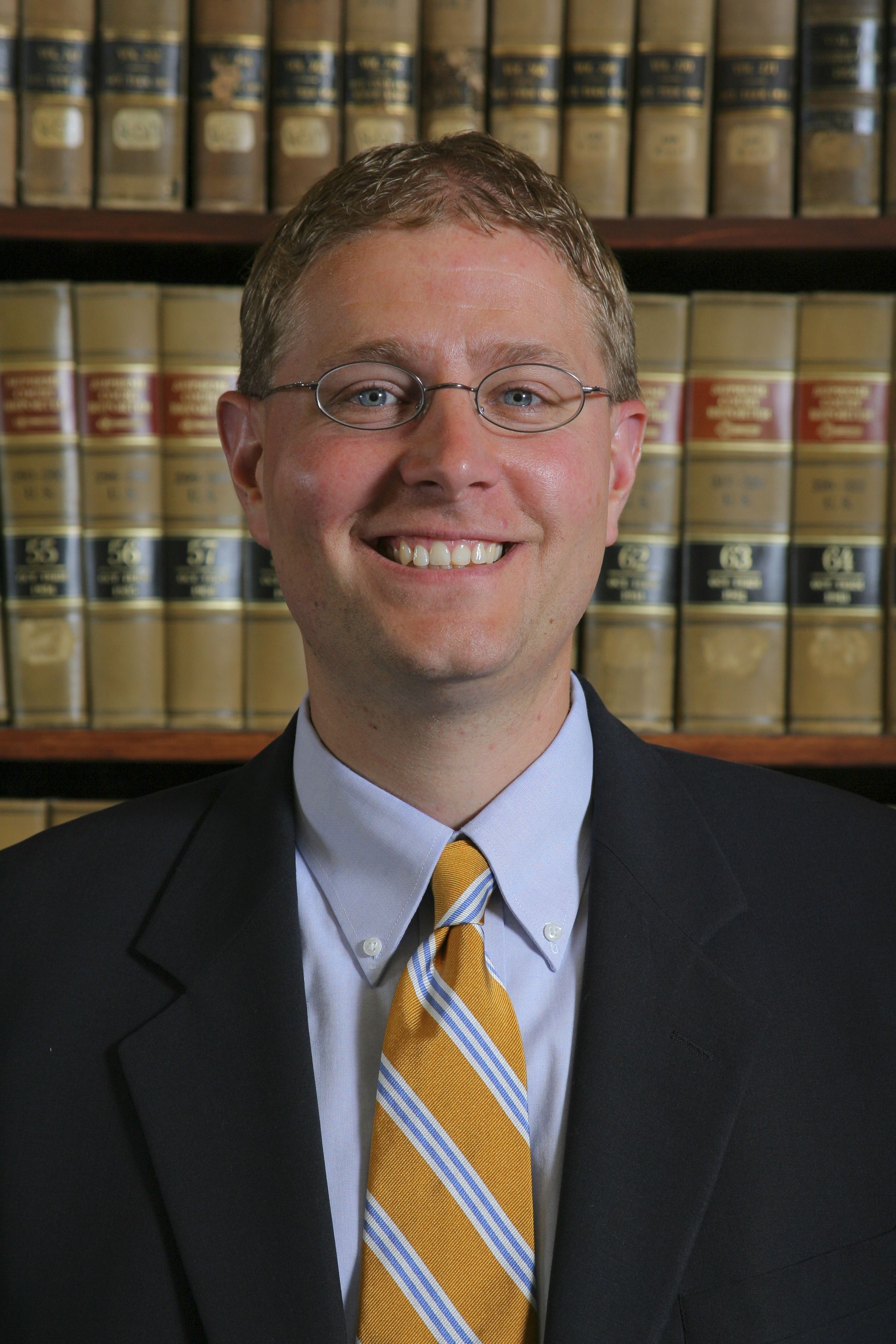
Lee J. Strang is the John W. Stoepler Professor of Law & Values and the Director of the Institute of American Constitutional Thought & Leadership at the University of Toledo. The views expressed are those of Professor Strang.