
Scouring Copenhagen for a celebrated sandwich
It’s 11:30 on a Thursday morning, and a middle-aged woman, her hair in a neat blond bob, is devouring a hot dog in the baggage reclaim hall at Copenhagen Airport. In some countries, that might seem quirky, but it’s perfectly normal here: There’s a hot dog stand next to the currency exchange window, and plenty of others are also eating, attracted by the smoky, savory tang hanging in the air.
Danes love hot dogs. I learned that from my Danish neighbor, Michael, when he dragged his grill into the road for our street party in London one summer before the pandemic. I ate four — maybe five — because they were delicious, even though he complained they weren’t quite right. He hadn’t been able to source rode polser, the authentic red Danish dogs, he said.
In those pre-coronavirus days, that seemed a good enough reason to head for Copenhagen to find the genuine article. Not only that, but in 2020, the city’s hot dog wagons — polsevogn — also celebrated the 100th anniversary of an ordinance that established the right to sell hot dogs in the streets; the first wagons appeared in 1921. The perfect time, I convinced myself, to go and eat too many hot dogs in Denmark.
I arrived on a chilly March morning, just before the worldwide wave of shutdowns. My hotel, Rye115, was in Osterbro, a largely residential neighborhood separated from the city center by Sortedams So, a long, slim artificial lake. The day was cold but beautifully clear. Bright sunshine glinted off the lake’s timid waves; seagulls hovered and squawked overhead. A group of children played soccer in a caged playground, and the ball came flying over and into the water. There was silence, then loud recriminations.
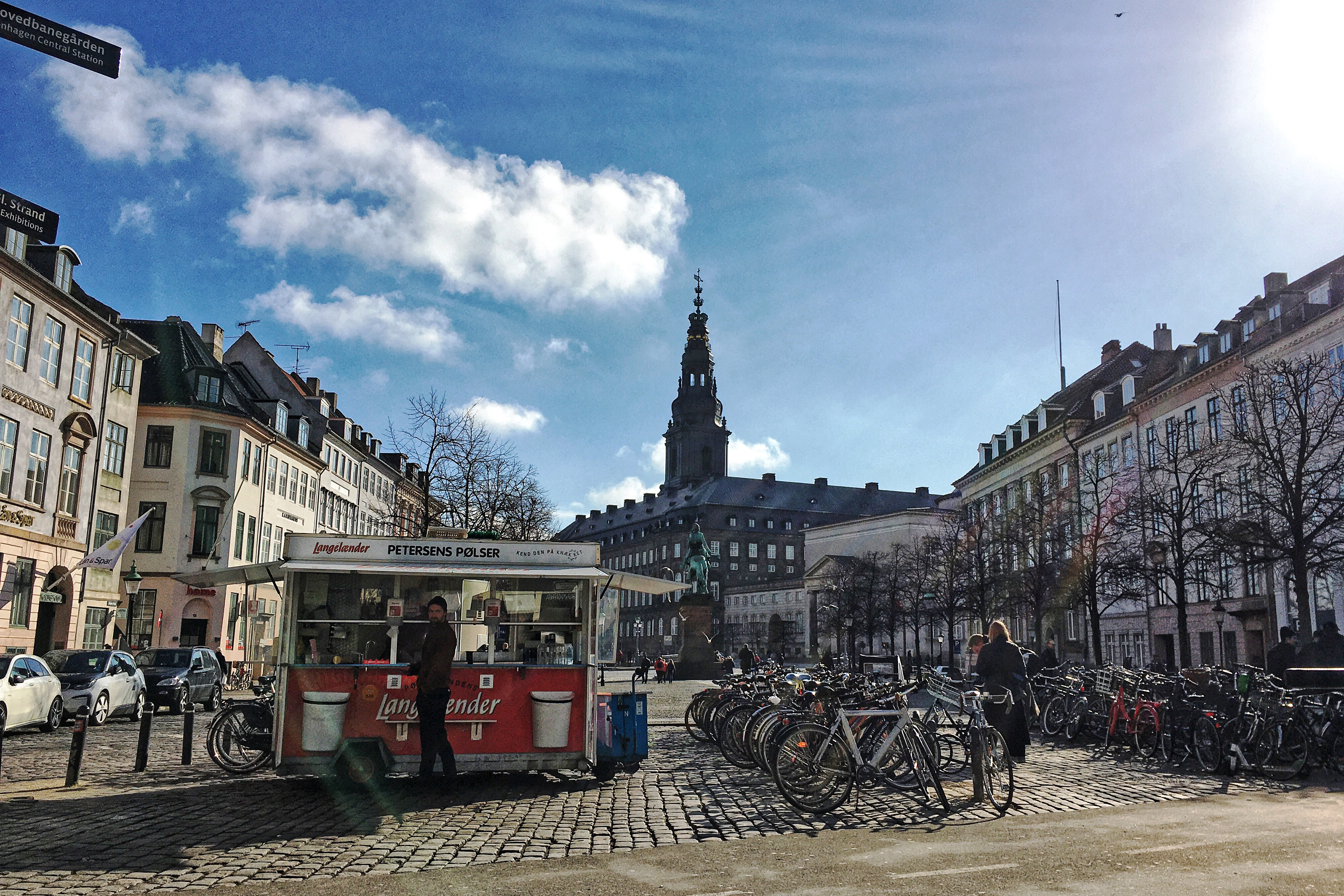
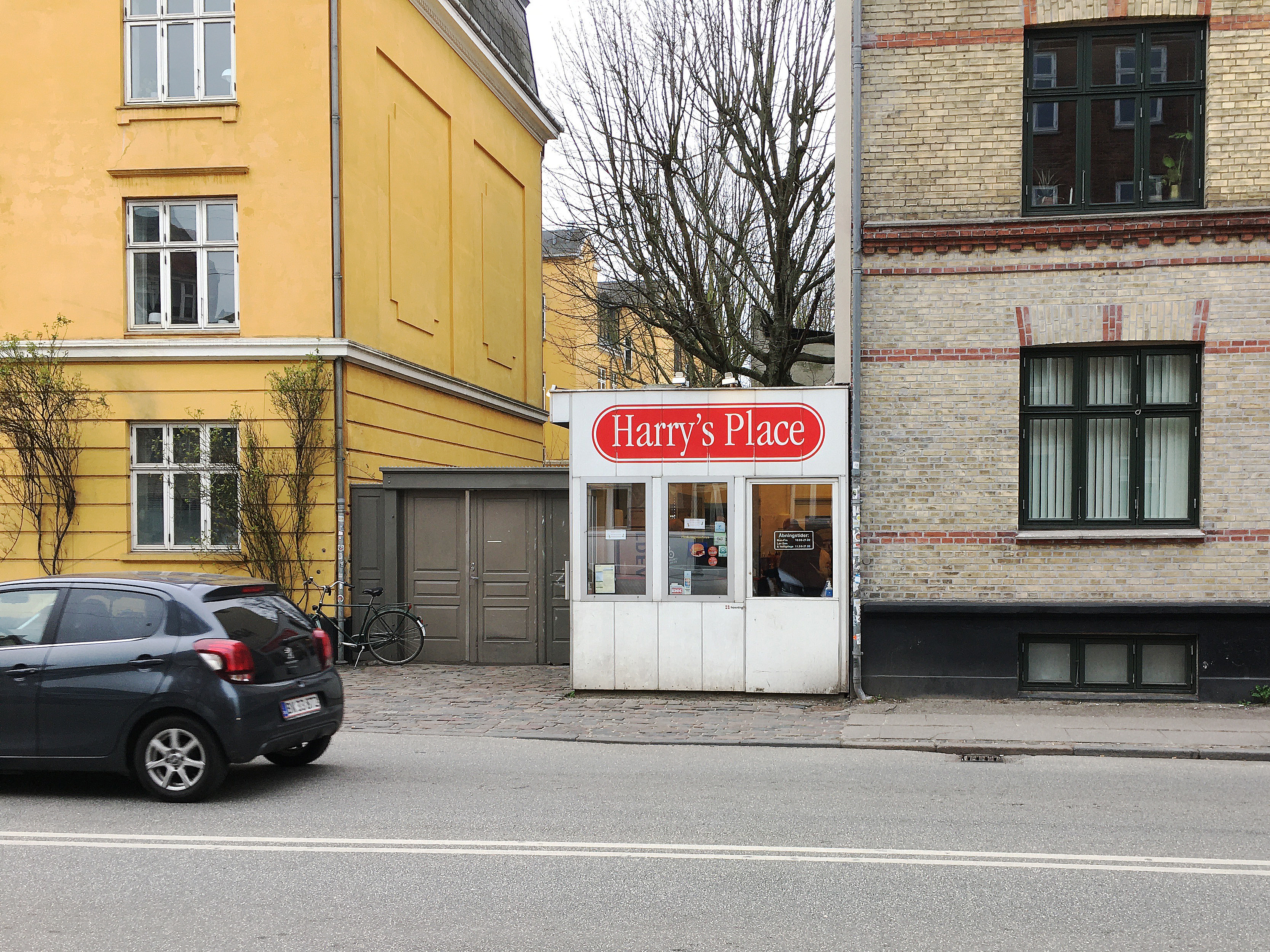
I took my time. It was half an hour before I found my first hot dog wagon, Petersens Polser, in Hojbro Plads, a large pill-shaped square in the heart of the city. Like most of the wagons, it was a rectangular trailer, towed into place each morning by a tiny motor at one end. There was a grill inside, and customers could shelter, if need be, under a tarpaulin cover.
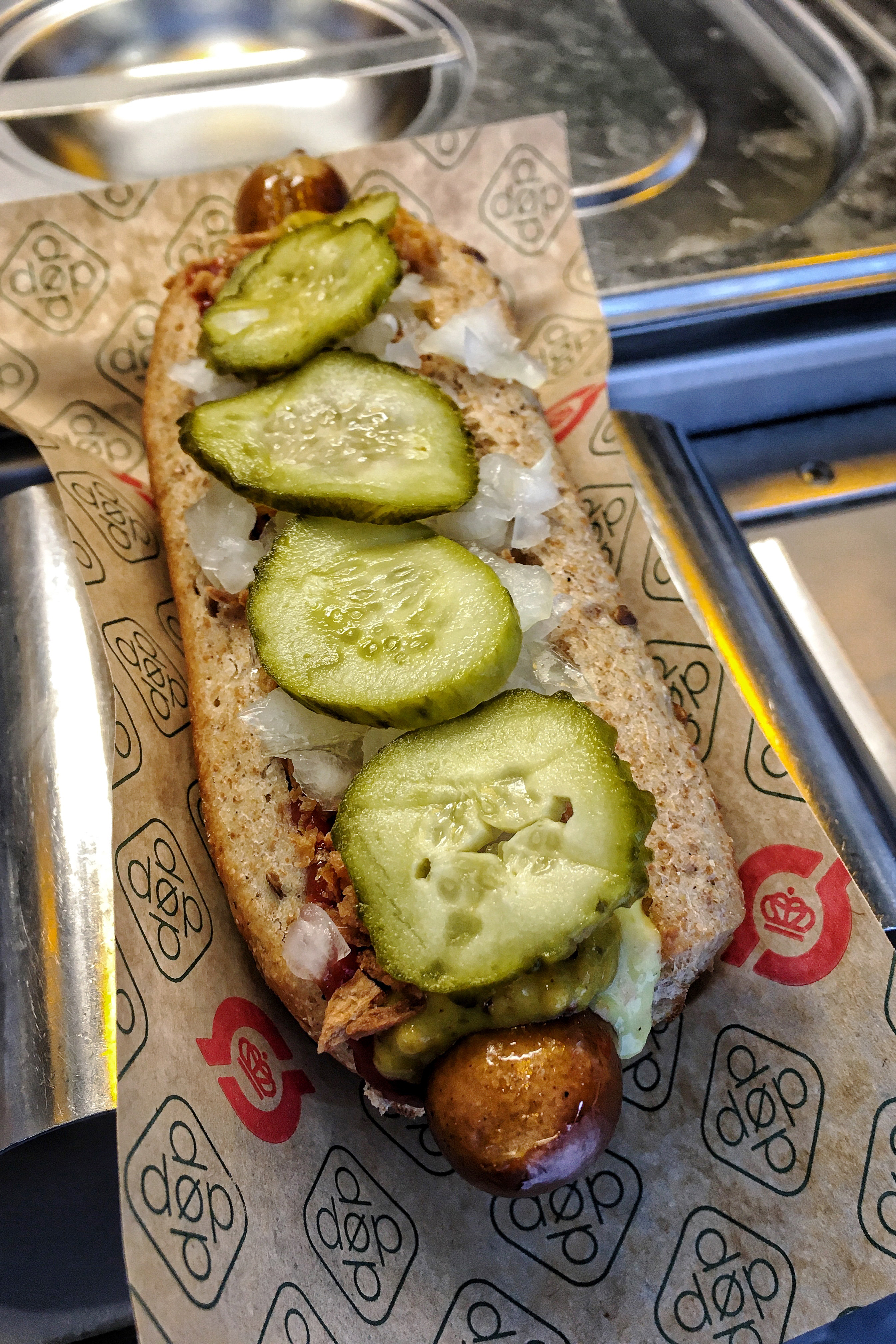
The menu had 12 options: red hot dogs (rode polser), bacon-wrapped hot dogs, a bofsandwich (Denmark’s version of the hamburger), and other combinations of sausage, toppings and bread. I selected a rode polse with ketchup, mustard, rémoulade (a piquant mayonnaise-based sauce beloved by Danes), fried onions, fresh onions and pickled cucumbers. The woman running the wagon hummed her approval: “All the toppings? That’s the real Danish hot dog.” At 33 krone (about $5) it’s not expensive, but it’s more a snack than a meal.
There was a bench nearby, in the shadow of a statue of Bishop Absalon, regarded as the founder of Copenhagen, and I took a seat. It turned out to be a messy business. As I bit into the taut casing of the sausage, chunks of onion and gherkin fell here and there. A group of pigeons, delighted at my clumsiness, hurried to squabble over the spoils.
The hot dog was delicious, but Copenhagen is full of flavor. A short walk north took me to Torvehallerne, a food market bursting with pan-global variety. There were tapas, sushi, charcuterie, fish and chips, pizza, superb coffee and loads of raw produce, with seafood so fresh I was convinced one turbot was winking at me. There were also delicate Danish open sandwiches, but the only sausages I saw were being sold by Lund, a butcher, for cooking at home.
It seemed as if Copenhagen might be getting too sophisticated for hot dogs, so I spoke to historian Allan Mylius Thomsen, veteran writer and author of a book about hot dog wagons, Café Fodkold, or Cold Feet Cafe, an old nickname. (“In Copenhagen, there’s a nickname for everything,” he says.) It details how the idea came from Germany but evolved in the 1950s thanks to American influence, most obviously in the form of ketchup.
Copenhagen had 500 hot dog wagons then; there were about 50 pre-pandemic, when the number was slowly increasing. “There have been a few more in recent years, particularly the organic sausages,” he told me on the phone. “In the 1950s, hot dogs were the only fast food, but there’s much more competition now, from Chinese food to shawarma.” (Numbers have dropped no further since the pandemic, Thomsen told me recently by email; in fact, he believes a few more organic options have opened.)
On Friday morning, I was hoping to witness an amusing ritual. Copenhagen’s hot dog wagons, pulled by tiny sit-on motors, chug to and from their pitch very slowly each evening and morning, and drivers are very accepting: Only a creep, one Dane told me, would honk at a hot dog wagon.
Alas, I was too late. I’d lingered too long in Ostre Anlaeg, a serene park close to the city center. By the time I got to Norreport at 10 a.m., Helle’s Polser had parked, and its owner was opening the hatch and clipping little Danish flags to the wagon. Down in Kultorvet, meanwhile, the owner of Peter’s Polser was carefully placing a tarpaulin over his wagon’s motor.
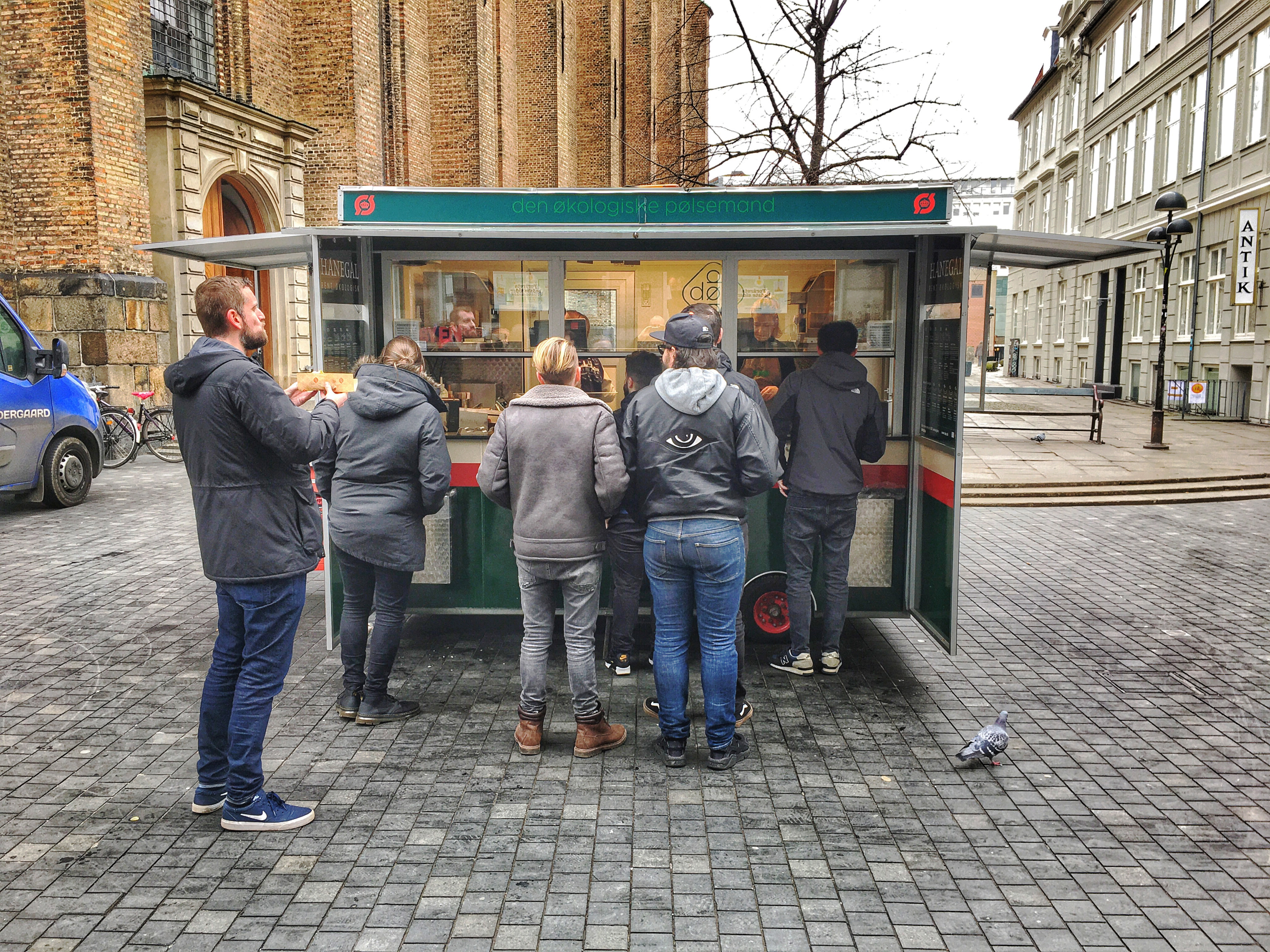
Never mind. At lunchtime, I headed for DOP, or Den Okologiske Polsemand (the Organic Hot Dog), near the Rundetaarn, a 17th-century tower in the city center. It’s a multi-award-winner, and I was looking forward to trying it. Two young women, Ida Muusmaan Vinglov and Lea Maria Persson, were serving, and they were happy to talk between orders. Vinglov said Danish people, who are typically quite reserved, tend to be more open at the hatch of a polsevogn.
Vinglov, 23, had never eaten hot dogs before beginning at the stall, despite growing up in the hot-dog-loving region of Jutland. She seemed keen, though: “I keep meaning to bring my own lunch, but these are very delicious.” She was right.
It was the best traditional hot dog I had during my trip: high-quality meat in a delicious whole-grain roll.
Mikkel Borg Bjergso, founder of globally famous craft brewery Mikkeller, said he eats hot dogs about once a month when coming through Copenhagen Airport. “Everywhere has hot dogs, but ours are the best in the world,” he insisted.